








by InTrieste
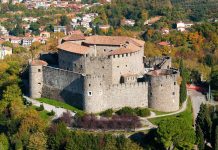
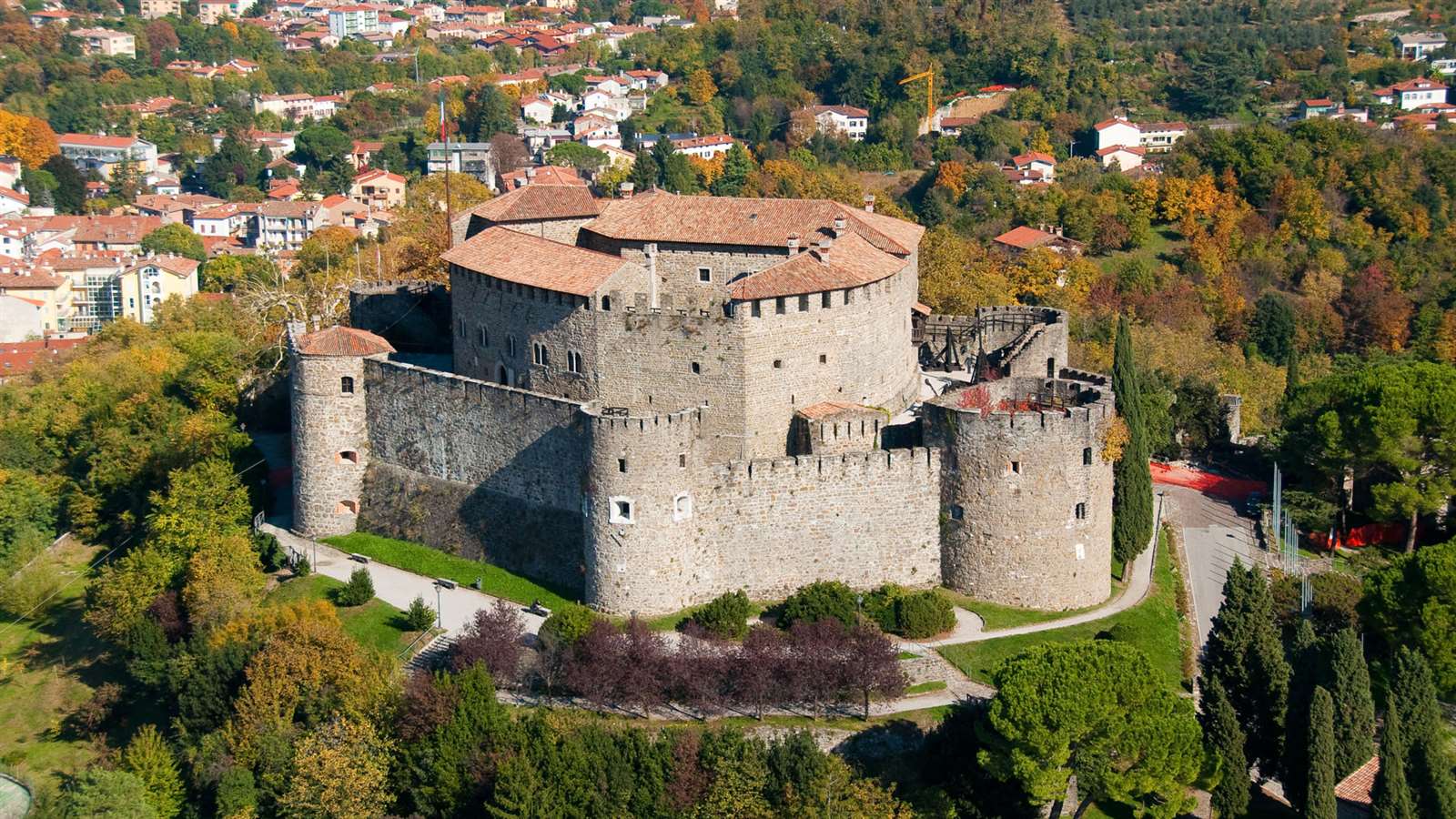
Borgo Castello, the historic district overlooking Gorizia, has been welcomed into the national association of Italy’s Most Beautiful Villages (I Borghi più belli d’Italia), receiving its official flag during a ceremony on Nov. 6.
The recognition, granted for the 2027-28 period under the designation of guest village, adds Gorizia to a network of 382 Italian municipalities known for their historical heritage, cultural identity and tourism appeal.
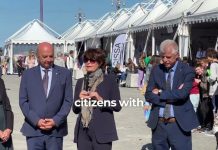
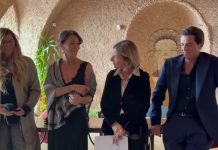
The ceremony was attended by Sergio Emidio Bini, the regional councilor for productive activities and tourism; Gorizia Mayor Rodolfo Ziberna; and Fiorello Primi, president of the national association.
The distinction comes in the wake of Gorizia’s role as European Capital of Culture in 2025, a year shared with neighboring Nova Gorica in Slovenia under the cross-border initiative GO!2025. Regional officials say the cultural program helped raise the city’s international profile and strengthen cooperation among local institutions and tourism organizations.
Tourism figures suggest that the momentum has continued. Gorizia recorded 50,749 overnight stays between May and August 2026, an increase of 2.6 percent compared with the same period a year earlier. Overnight stays by international visitors rose 20.7 percent, while total arrivals increased 3.3 percent. The city had already recorded a 25 percent increase in overnight stays in 2025.
Bini said the recognition reflected a broader regional effort to promote smaller historic communities and encourage visitors to explore destinations beyond major tourist centers. Friuli Venezia Giulia is home to 15 villages affiliated with the association.
The regional government has allocated more than €40 million over the past year to strengthen accommodation facilities, including hotels, sustainable tourism infrastructure and the albergo diffuso model, which uses renovated buildings across historic villages as part of a distributed hotel.
The strategy aims to encourage longer stays and attract visitors interested in cultural experiences, local food and wine, and slower forms of tourism rather than short visits.
Regional authorities have also introduced financial measures and regulations to support municipalities hosting villages within the association, Bini said.
The ceremony brought together Zaida Franceschetti, the association’s regional coordinator and mayor of Sesto al Reghena, along with mayors from other participating communities.
Borgo Castello’s admission adds another cultural and tourism distinction to Gorizia as the city seeks to build on the international attention generated by GO!2025.