























interviews: Maximiliano Crocamo
Italy’s short-term rental market, once a symbol of tourism-driven prosperity, is entering a new phase marked by tighter rules, rising taxes and a shifting public mood. Nowhere is this transition more visible than in the region of Friuli Venezia Giulia, where local officials and industry leaders say the challenge is no longer growth, but balance.
For more than a decade, digital platforms such as Airbnb and Booking.com helped transform spare apartments into tourist accommodations across Italy. From the canals of Venice to the historic streets of Trieste, short-term rentals offered property owners a profitable alternative to traditional leases, while fueling a surge in visitor numbers.
But after years of rapid expansion, the sector is facing mounting pressure. New regulations, growing political scrutiny and changing economic incentives are prompting many landlords to reconsider their strategies — and, increasingly, to return to long-term tenants.
A Market in Transition
According to a recent study by Tecnocasa, Italy’s largest real-estate franchising network, the shift is already measurable. In major cities such as Rome and Naples, more than half of new rental agreements now fall under regulated long-term contracts known as canone concordato, which offer tax advantages in exchange for rent caps.
The trend reflects a convergence of factors: stricter municipal oversight, rising property costs and a broader debate over housing availability in urban centers.
Across Italy, local governments have introduced measures ranging from registration requirements to limits on the number of days properties can be rented to tourists. The policies are often framed as an effort to address housing shortages and preserve community life in historic districts.
New Tax Rules Reshape Incentives
Recent national fiscal changes are also altering the economics of short-term rentals.
Under the new rules, landlords renting out a single property continue to benefit from a flat tax rate of 21 percent under the cedolare secca system. Those renting two properties, however, must apply a higher 26 percent rate to one unit — typically the one generating lower income — while the other remains taxed at 21 percent.
For owners renting more than two properties, the shift is more consequential. They are now required to open a value-added tax registration, or partita Iva, as their activity is classified as a business rather than private property management. This entails mandatory enrollment in the national social security system and the payment of pension contributions.
According to Confedilizia, the changes could create complications for landlords who hold salaried jobs or professional roles that are legally incompatible with operating a business. Under previous rules, rental activity was generally considered entrepreneurial only when five or more properties were involved.
The View From Trieste
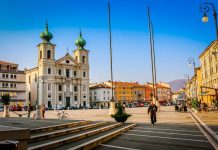
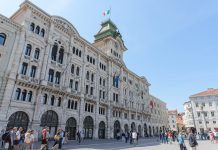
In Trieste, a port city long known for its cultural diversity and literary heritage, the conversation has taken on a distinctly regional dimension.
Maurizio Giudici, president of Federalberghi Trieste, said recent European-level efforts to regulate short-term rentals are widely welcomed among local stakeholders.
“This is legislation we’ve been waiting for,” he said. “Trieste’s tourist appeal today is largely driven by visitors, and in the city center we have a considerable number of short-term rentals — perhaps to an excessive degree.”
Giudici emphasized that the issue is not a conflict between hotels and private apartments, but rather the risk of imbalance. “It’s not hotels versus apartments,” he said. “These accommodations are necessary and positive. The problem arises when too many apartments are removed from the residential market.”
Local officials and industry observers warn that an oversupply of tourist rentals in central neighborhoods could gradually alter the city’s character, potentially undermining the very appeal that attracts visitors.
“Our concern,” Giudici said, “is that an excess of tourist apartments in the historic center could distort the destination and ultimately weaken the positive tourism trend we’ve seen.”
A Regional Balancing Act
In Friuli Venezia Giulia, where tourism plays an important but not dominant economic role, the debate tends to be less polarized than in Italy’s largest cities.
Unlike in heavily visited destinations such as Venice, short-term rentals here are often viewed as part of a broader accommodation ecosystem rather than a primary driver of housing shortages.
Still, policymakers face a familiar dilemma: how to sustain tourism growth while ensuring that city centers remain livable for residents.
For now, the market itself appears to be adjusting. As regulations tighten and long-term leases offer greater predictability, many landlords are quietly shifting away from weekend visitors toward year-round tenants — signaling a new chapter in Italy’s evolving rental landscape.