






















by InTrieste
A new night train connecting Milan with Brussels and Amsterdam is scheduled to begin service in June 2026, marking an expansion in cross‑border rail travel across Europe by the Dutch‑Belgian operator European Sleeper.
The service, which will run three times a week, is designed to bolster sustainable travel options between major Western European cities. Trains will depart from Amsterdam in the Netherlands and Brussels in Belgium on Monday, Thursday and Saturday evenings. After converging in Cologne, Germany, the combined train will continue southward into Switzerland and northern Italy.
Scheduled stops along the route include Bern and Brig in Switzerland, and Domodossola and Stresa in Italy, before terminating in Milan. On the return leg, trains will leave Milan on Wednesday, Friday and Sunday nights, arriving back in the Netherlands and Belgium the following mornings.
Tickets are expected to go on sale between January and February 2026 through the official European Sleeper booking platform. The operator has indicated that accommodations will range from standard seating to couchettes and sleeper cabins, offering options for different budgets and travel preferences.
The new service follows a resurgence of interest in night trains across the continent, as passengers seek alternatives to short‑haul flights and as rail operators work to expand international connections. European Sleeper, one of several companies driving this growth, already operates routes linking cities such as Brussels, Amsterdam, Berlin and Prague.
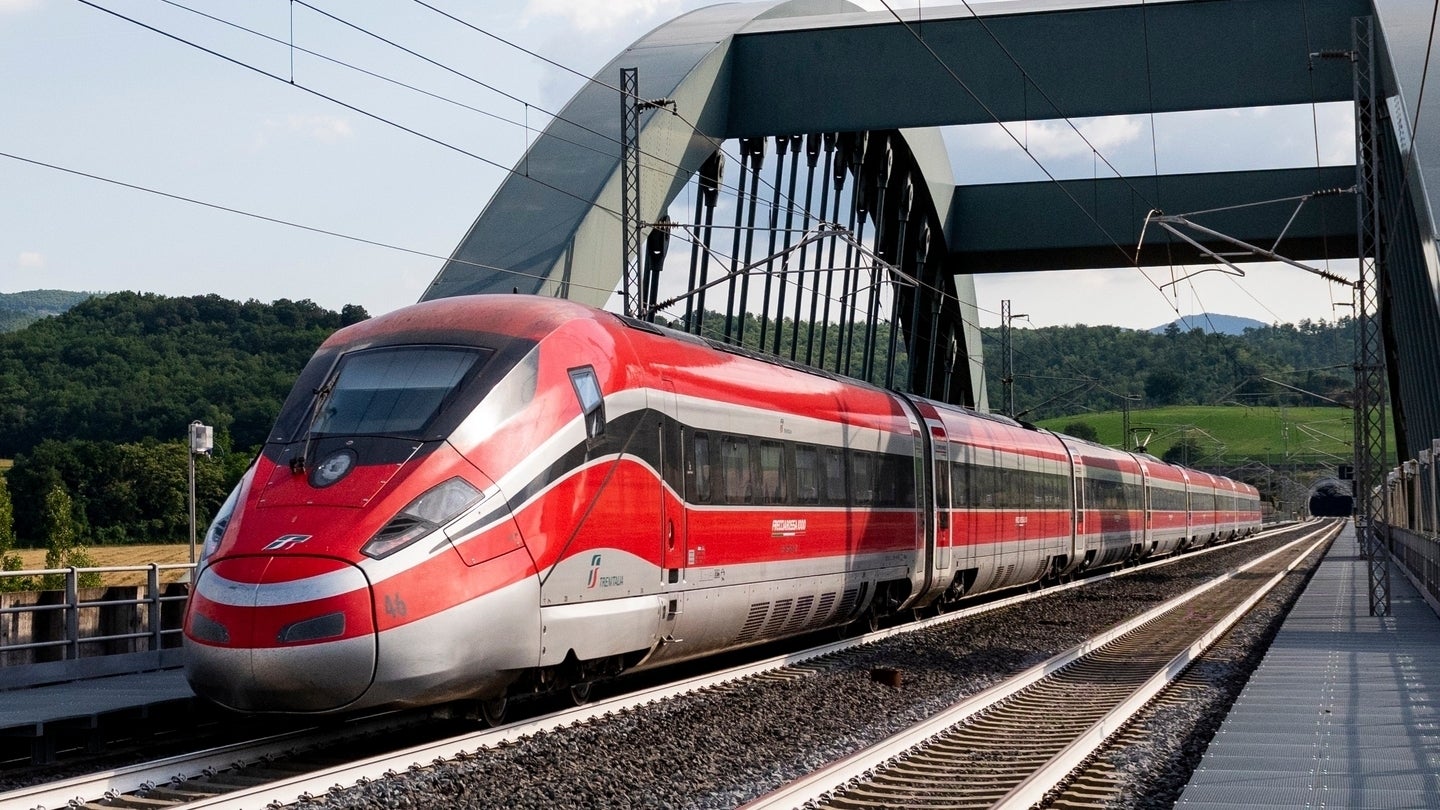
In a related development, Italy’s state railway operator FS Group has announced plans to enhance high‑speed rail links between Italy, Germany and Austria in collaboration with Germany’s Deutsche Bahn and Austria’s ÖBB. Under agreements reached in 2025, new Frecciarossa high‑speed services are expected to begin operating as early as December 2026, connecting Milan and Rome with Munich without transfers and stopping in cities such as Innsbruck along the way.
The Milan–Munich route is projected to take about six and a half hours, while the Rome–Munich service is anticipated to take approximately eight and a half hours. Both will complement existing international rail links and expand cross‑border mobility in central Europe.
These developments reflect broader efforts by European rail operators to integrate and modernize the continent’s passenger rail network, seeking to offer more competitive alternatives to air travel on key international corridors.