








by InTrieste
In the quiet streets near the Adriatic, a small museum dedicated to one of Italy’s most revered poets is turning its attention to a very different literary figure this winter: Giacomo Casanova.
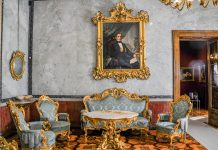
The Museo Petrarchesco Piccolomineo, housed in an 18th-century residence on Via Madonna del Mare, will mark the start of the new year with two guided tours of its current exhibition, “Casanova in viaggio. L’approdo a Trieste”(“Casanova on the Road: His Arrival in Trieste”), on Friday, January 2, and Saturday, January 3, 2026. Both visits will take place at 11 a.m. and are open to the public without reservation.
Curated by Alessandra Sirugo, the museum’s director, in collaboration with the Istituto Regionale per la Cultura Istriano-Fiumano-Dalmata and Ca’ Foscari University of Venice, the exhibition explores a little-known chapter in the life of Casanova: his nearly two-year stay in Trieste from November 1772 to September 1774.
By the time he arrived in the port city, Casanova was already one of Europe’s most famous wanderers — a prolific writer, diplomat and self-styled man of the world. Trieste, then part of the Habsburg Empire, offered him a strategic and cosmopolitan refuge, poised between Italian, Central European and Balkan cultures. The exhibition situates his presence there within the broader patterns of movement, exile and reinvention that shaped his career.
The museum first opened the show in 2025, the three-hundredth anniversary of Casanova’s birth, and recently extended it through March 10, 2026. During the guided tours, Ms. Sirugo will lead visitors through manuscripts, documents and historical material that trace Casanova’s time in Trieste, portraying him not only as a legendary seducer but also as a “forestiero” — a foreigner navigating a new city with charm and adaptability.
The initiative is part of a broader effort by the Museo Petrarchesco Piccolomineo to connect Trieste’s local history with the wider currents of European intellectual and cultural life. Though best known for its focus on Francesco Petrarca, the museum has increasingly used temporary exhibitions to highlight figures who passed through or left their mark on the city.
Tickets for the guided tours are available on site. More information can be obtained from the museum directly by phone or through its website.
As Trieste continues to reassess its role as a crossroads of languages, empires and ideas, Casanova’s brief but eventful stay offers another lens through which to view the city’s layered past — and a reminder that even the most itinerant lives sometimes leave enduring footprints.