






by InTrieste
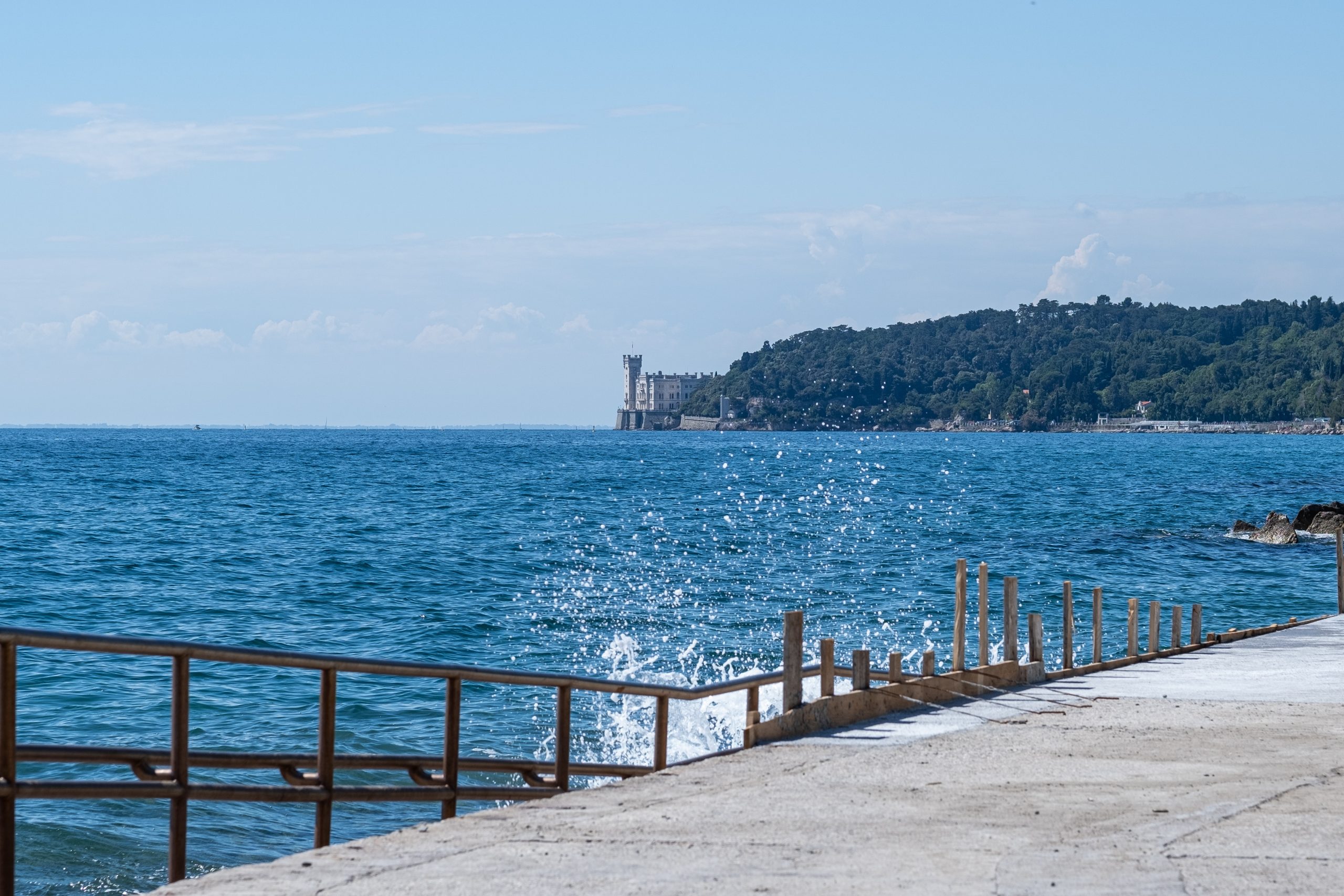
The regional environmental protection agency of Friuli Venezia Giulia, Arpa FVG, has released new findings from MedSeaRise, a European project aimed at improving how coastal communities evaluate risks associated with rising sea levels across the Mediterranean.
The initiative, part of the Euro-MED cooperation program, seeks to develop a shared methodology that public authorities, researchers and coastal managers can use to assess vulnerabilities associated with climate-driven changes in mean sea levels. Designed for use across the entire Mediterranean basin, the method is meant to support more coordinated and informed management of coastal territories.
A Regional Role in a Wider Effort
Arpa FVG contributed its longstanding expertise in environmental numerical modeling and in processing large climate datasets, following international scientific standards. The agency played a central role in analyzing future climate scenarios and applying them to the coastal environments of Friuli Venezia Giulia, where low-lying shorelines and lagoon ecosystems face increasing pressures.
A Cross-Border Collaboration
Spanning 27 months — from January 2024 to March 2026 — MedSeaRise operates with a total budget of €600,000 and brings together six partners: ANATOLIKI SA in Greece; the Chamber of Commerce and Industry Nice Côte d’Azur in France; the Institute of Marine Biology at the University of Montenegro; the Chamber of Commerce of Barcelona; the University of Malta; and Arpa FVG.
This multinational partnership combines scientific expertise, institutional capacity and local knowledge to examine sea-level rise from a range of perspectives, ensuring an interdisciplinary approach to a cross-border challenge.
Key Findings
A central result of the project is the creation of a data platform dedicated to sea-level rise scenarios. The database supports both project partners working at the Mediterranean scale and stakeholders in Friuli Venezia Giulia, where localized analyses include extreme-weather events.
Arpa FVG and its partners applied the scenarios to several sensitive areas of the northern Adriatic:
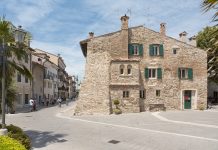
- Grado (urban area): modeling of potentially flood-prone zones under various future sea-level conditions, accounting for both global climate processes and local atmospheric and tidal interactions.
- Aquileia (archaeological site): assessment of possible impacts on cultural heritage, examining both the vast archaeological reserve and specific sites exposed to interactions between marine levels and the Natissa River.
- Aquileia’s shallow aquifer: systematic monitoring of the first groundwater layer, enabled by access to an ancient Roman well located in the basilica crypt. The work explores connections between seawater fluctuations and changes in the aquifer’s physical and chemical properties.
- The Grado and Marano Lagoon (ecosystem): study of how lagoon ecosystems may respond to projected climatic conditions, including research on the reed beds (Phragmites australis) and their tolerance to increased salinity.
A New Framework for Risk Assessment
One of the project’s major contributions is the development of a structured methodology for incorporating sea-level rise scenarios into impact assessments for both human activities and natural systems. The approach emphasizes the propagation of uncertainty across all phases of risk evaluation, offering stakeholders a full spectrum of potential outcomes rather than fixed forecasts.
A distinguishing feature of the methodology is its shift away from long-range emission-based timelines, instead linking impact assessments directly to increases in global mean temperature — a metric that is closely monitored and easier for the public and policymakers to grasp. This reframing, project leaders say, narrows the perceived distance of climate risks and makes adaptation planning more actionable.
Feedback from stakeholders across the Mediterranean has underscored the value of the project’s tools and findings. Beyond providing a comprehensive data repository, MedSeaRise offers concrete applications in real-world contexts and a methodology designed to be replicated in diverse coastal regions.
As Mediterranean communities continue to grapple with the realities of rising seas, the project’s organizers hope their work will help shape more resilient strategies for managing both cultural heritage and vulnerable ecosystems in the decades ahead.