






















by InTrieste
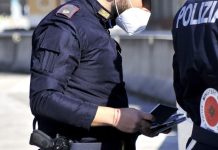
Italy has intercepted about 700 people flagged in European security databases, stopped 300 suspected facilitators of irregular migration and refused entry to approximately 6,600 people over the past three years as part of border controls along the Balkan route, Interior Minister Matteo Piantedosi said Thursday in Trieste.
Piantedosi said the measures, coordinated with Slovenia and Croatia, were intended to address migration flows and security concerns while preserving routine cross-border movement.
The 700 people intercepted had been flagged in the Schengen Information System, a database shared by European countries to identify individuals considered potential threats to national security, the minister said. He emphasized that the cases involved security concerns beyond ordinary criminal offenses.
Authorities have also stopped approximately 300 suspected facilitators of irregular migration, Piantedosi said. The cases have added to the workload of prosecutors, prompting discussions about providing additional police personnel to support judicial offices handling migration-related investigations.
Over the past three years, authorities have conducted checks on approximately 1.6 million people traveling along the Balkan route, according to Piantedosi, who said the operations had not significantly disrupted every day cross-border movement.
The controls were established through a trilateral arrangement involving Italy, Slovenia and Croatia, which Piantedosi said he proposed three years ago to coordinate efforts against irregular migration.
Italy has recently extended the border controls for another six months, he said.