



















by InTrieste
For many Armenian students, the decision to study abroad in Italy begins with a partnership agreement on paper. But it is in a city like Trieste — perched between the Adriatic Sea and Central Europe — that those agreements turn into lived experience.
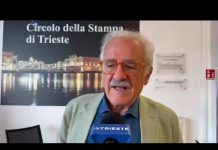
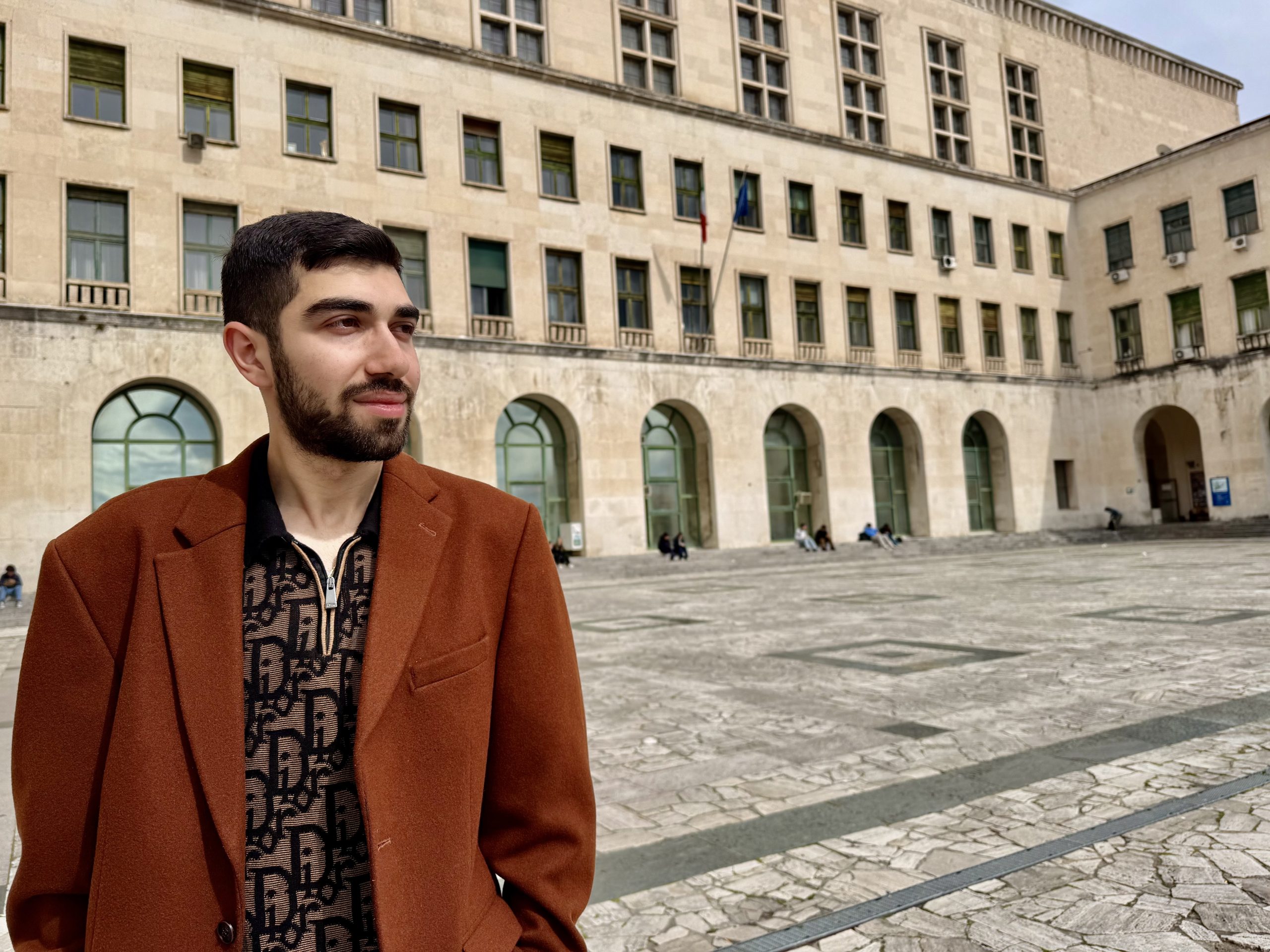
Eduard Bagdasarov, coordinator for Armenian students at the University of Trieste, has seen both sides of that journey: the promise of academic exchange, and the difficult reality of finding a place to live.
“The main reason many Armenian students choose the University of Trieste is its active cooperation with Armenian universities,” Bagdasarov said. “Thanks to Erasmus+ partnerships, students can study abroad, gain international experience, and become part of a European academic environment.”
For him, the appeal of Trieste is not only institutional, but deeply personal.
“It has a unique atmosphere that combines Italian culture with Central European influences,” he said. “It is a coastal city with beautiful sea views, historic architecture, and a comfortable pace of life.”
But beneath the postcard image of the city lies a growing pressure point: housing.
“Yes, it can be quite difficult for international students, including Armenian students, to find housing in Trieste,” he said. “Good apartments are rented very quickly, especially before the academic semester.”
Beyond scarcity, Bagdasarov points to something more subtle and more difficult to quantify.
“There is sometimes a level of mistrust toward students from regions that landlords are less familiar with,” he said. “Some prefer Italian tenants or students from countries they already know. Because of this, international students often need more guarantees, larger deposits, and more time.”
The consequences, he added, can be severe — and not always visible to the outside world.
In one case he described, a student arriving in Trieste had already secured what appeared to be an apartment online. The listing turned out to be fake.
“She transferred a deposit in advance,” Bagdasarov said. “When she arrived, the landlord stopped answering. The apartment didn’t exist.”
Only after contacting the university did she find new accommodation.
Bagdasarov experienced similar difficulties himself during his Erasmus exchange.
“I had found an apartment online, but when I arrived, it didn’t exist,” he said. “Later, I was told a landlord would only rent to Germans. Eventually, the rooms were given to other European students.”
“At that moment, it became obvious I was rejected because I came from the Caucasus region,” he added. “It was not said directly, but it was clear.”
For students, he said, the consequences go far beyond logistics.
“The housing struggle affects students much more deeply than people realize,” he said. “They arrive already adapting to a new country, language, and academic system. Without stable accommodation, there is enormous emotional stress.”
Some students, he added, miss classes or orientation entirely while searching for housing. Others struggle simply to find stability in their first weeks abroad.
Despite these challenges, Bagdasarov said Armenian students are often struck by the city’s openness and intensity of international life.
“Many are surprised by how multicultural Trieste feels,” he said. “It is not what they expect from a typical Italian city.”
He also pointed to differences in academic culture.
“The university system feels more independent and informal,” he said. “At first it can be challenging, but many later find it motivating.”
Still, he said, misconceptions persist.
“Sometimes people in Europe do not clearly distinguish Armenia from other regions,” he said. “The South Caucasus is sometimes associated with instability, which creates unnecessary stereotypes.”
In reality, he said, Armenia is “a very beautiful and culturally rich country with deep history and strong academic traditions,” including its identity as the first nation to adopt Christianity as a state religion in 301 A.D.
Yet Bagdasarov emphasized that personal contact quickly dissolves these misunderstandings.
“Once people get to know Armenian students, these misconceptions disappear,” he said.
Inside the university community, he credits student networks such as ESN Trieste with helping international students integrate.
“They organize orientation weeks, cultural events, trips, and language exchanges,” he said. “But just as important is informal solidarity between students — helping each other find housing, navigate bureaucracy, and settle in.”
Despite the difficulties, he remains cautiously optimistic about Trieste’s direction.
The city, he said, could benefit from “more verified housing information” and “stronger cooperation between universities and landlords,” as well as expanded student dormitories.
He also suggested that housing shortages remain the single most urgent structural issue for international students.
Still, he praised the city’s foundation.
“Trieste is already very welcoming,” he said. “With small improvements, it can become an even stronger example of a European student city.”
Asked what message he would send to locals, Bagdasarov was direct.
“Armenian students come with respect, motivation, and a desire to integrate,” he said. “They are not only here to study, but to contribute to the international life of the city.”
He paused before adding a line from Armenian poet Paruyr Sevak:
“‘We are few, but we are called Armenians.’”
Then, switching languages, he closed simply:
“Shnorhakalutyun — thank you.”