



















by InTrieste
A new National Museum of Underwater Archaeology has opened on the Adriatic waterfront in Grado, bringing to public view one of Italy’s most significant Roman shipwrecks and offering fresh insight into ancient maritime trade in the northern Adriatic.
The museum’s centerpiece is the Iulia Felix, a Roman merchant vessel dating to the second century A.D. The ship was discovered in 1986 about six miles off the coast of Grado and recovered through a series of underwater excavations conducted between 1987 and 1999. After decades of conservation and study, the vessel has now been reconstructed and placed on permanent display.
Developed and fully financed by Italy’s Ministry of Culture, the museum is part of the National Museum System and is dedicated to underwater archaeology in the Upper Adriatic, a region that played a central role in Roman commercial networks linked to the major port of Aquileia.
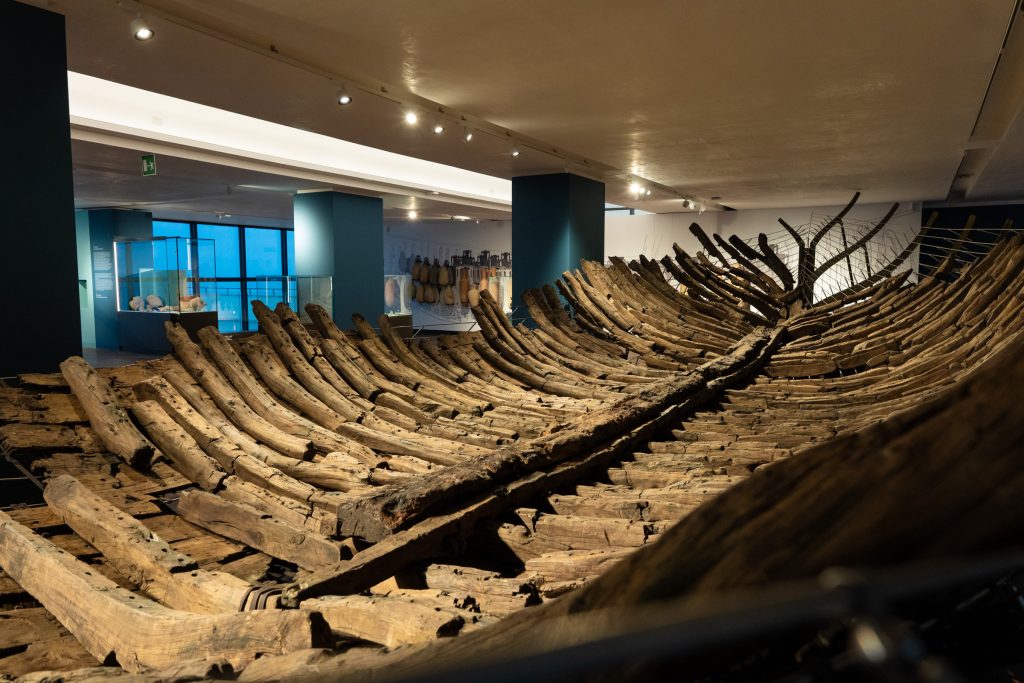
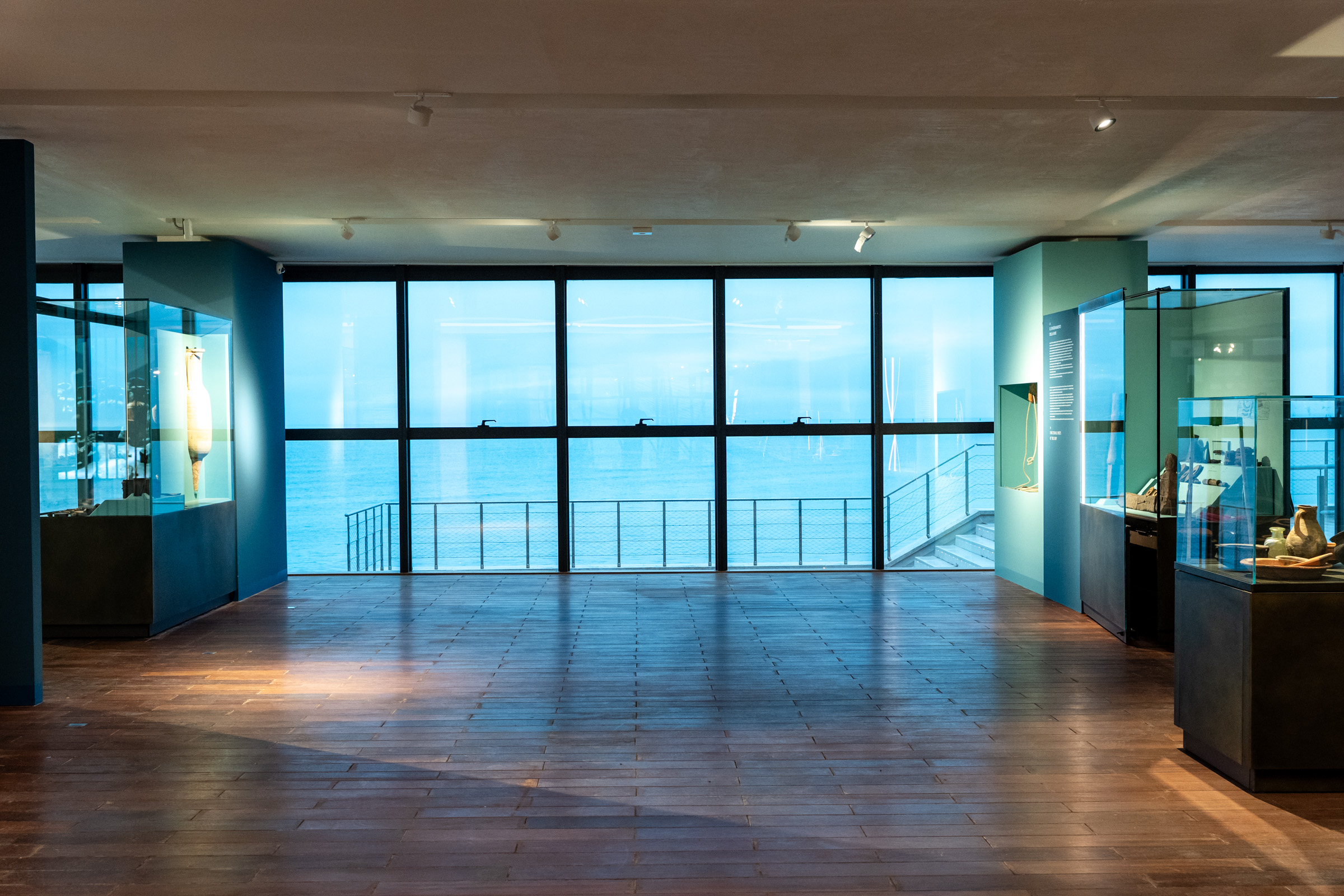
Housed in a renovated seafront building, the museum unfolds across two floors. The main exhibition space, on the upper level overlooking the sea, is organized around the Iulia Felix, presented with its cargo and shipboard equipment. The reconstruction is supported by a custom steel framework based on three-dimensional digital models developed by researchers at Ca’ Foscari University of Venice, allowing visitors to understand the ship’s original size and structure.
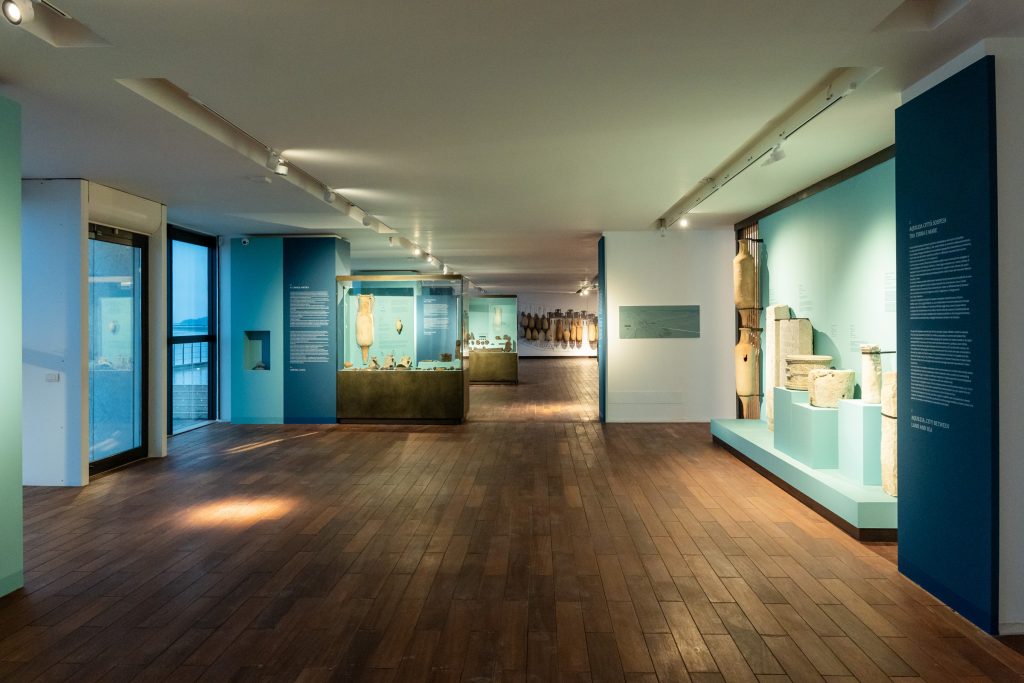
When it sank, the vessel was carrying roughly 600 amphorae filled with fish sauce and preserved fish, along with a barrel of broken glass intended for recycling. These materials, together with everyday objects used by the crew, offer a detailed picture of life aboard a Roman merchant ship and of the broader economy of maritime exchange in the Adriatic.
Additional sections of the museum display artifacts recovered from the seabed and lagoon around Grado, some shown to the public for the first time, as well as materials from the National Archaeological Museum of Aquileia. Together, they situate the shipwreck within a dense coastal landscape of ports, settlements and trade routes.
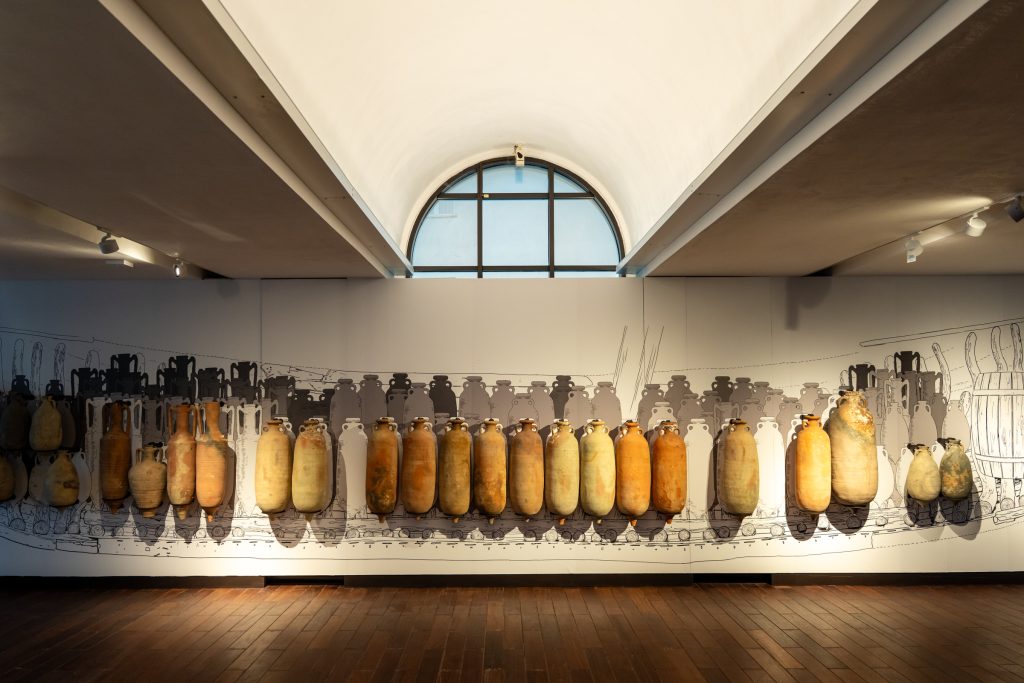
The museum places particular emphasis on accessibility and interpretation, incorporating tactile elements, interactive displays and multimedia installations designed for a wide range of visitors.
Italian cultural officials described the opening as both a local milestone and a national one, highlighting the long-term collaboration among archaeologists, conservators, engineers and museum professionals required to bring the project to completion.
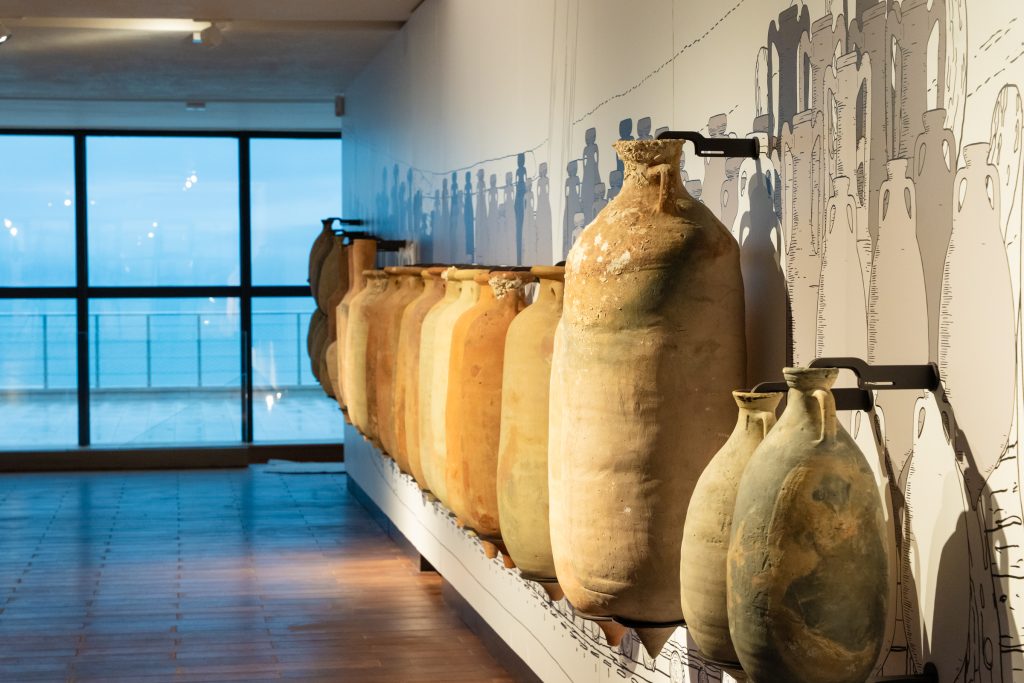
The museum is open through April on weekends and public holidays from 11 a.m. to 6 p.m., and during the summer season from Tuesday to Sunday from 11 a.m. to 7 p.m. Admission is €7, with reductions and free entry available under national regulations.