
















by InTrieste
Regional officials in Friuli Venezia Giulia on Thursday outlined a package of emergency measures aimed at supporting businesses grappling with the economic ripple effects of the conflict in the Middle East, signaling a dual-track strategy focused on both immediate relief and long-term resilience.
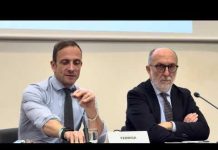
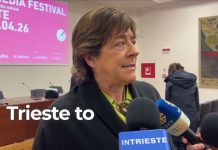
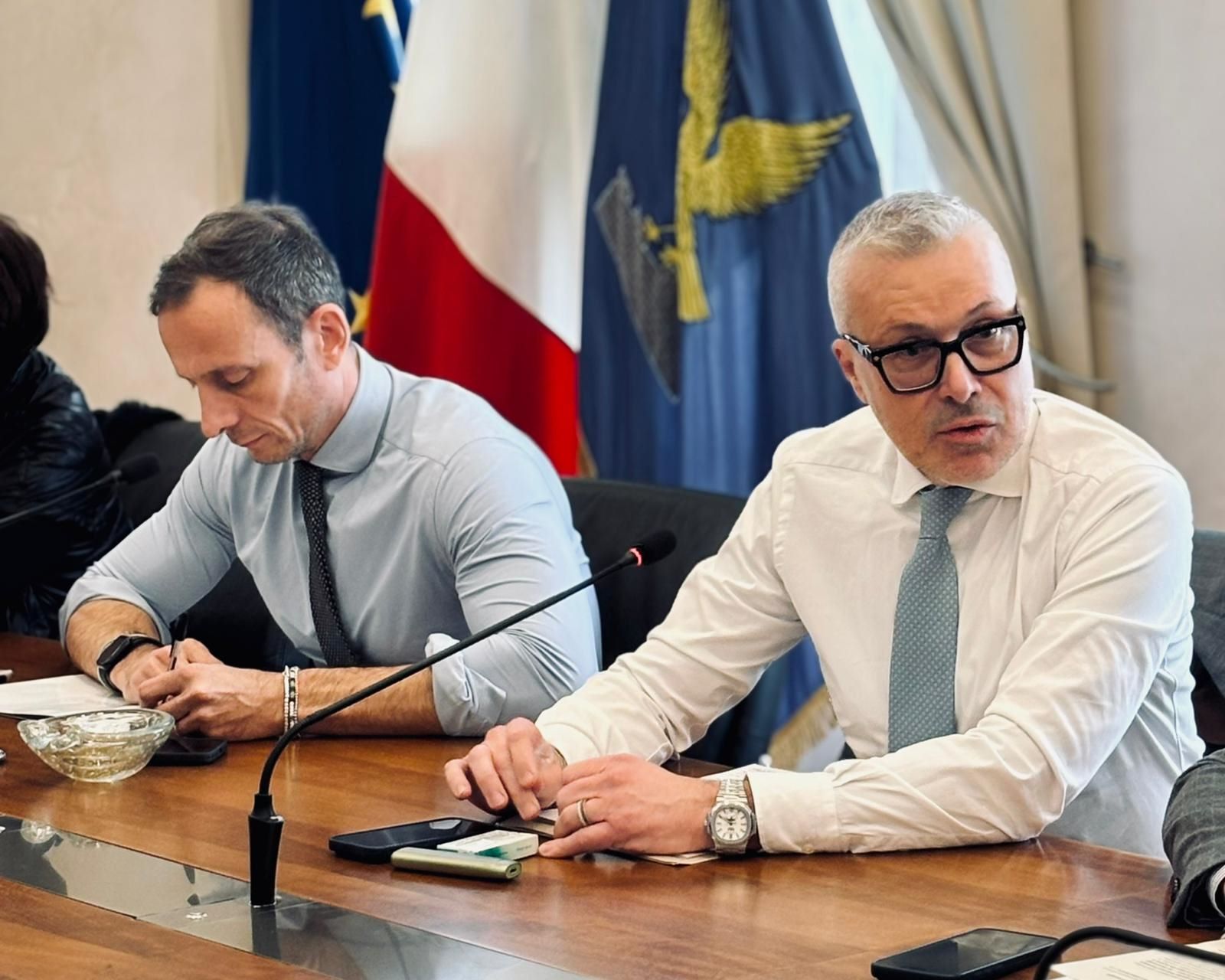
Speaking at a roundtable with employers’ associations and labor unions in Trieste, the region’s governor, Massimiliano Fedriga, said the administration was preparing interventions modeled on past crises, including the pandemic and the war in Ukraine.
“Speed is a strategic factor at this stage,” Mr. Fedriga said, noting that the region would prioritize measures that are both effective and quickly deployable, even as it awaits further action from Italy’s national government.
The proposed plan would extend support to thousands of businesses across the region, with a particular emphasis on small and medium-size enterprises, which officials say are among the most vulnerable to rising energy and fuel costs.
The strategy is designed to operate on two fronts: short-term assistance to help companies manage immediate expenses such as utility bills and access to credit, and longer-term investments aimed at improving energy independence.
Mr. Fedriga said sectors most exposed to the crisis — particularly transportation and logistics — would receive special attention, given their central role in maintaining supply chains and consumer access to goods. A separate working group focused specifically on energy and logistics is expected to be convened in the coming days.
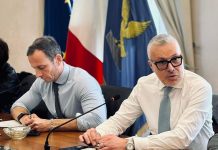
Also attending the meeting were Sergio Emidio Bini, the regional councillor for productive activities, and Alessia Rosolen, who oversees labor policies.
Mr. Bini said the region intended to rely on established financial mechanisms to accelerate the rollout of aid. Among the measures under consideration is the reduction of costs associated with guarantees issued by credit consortia, known as Confidi, which help small businesses secure bank loans. The approach mirrors a program introduced after Russia’s invasion of Ukraine to improve liquidity among smaller firms.
In addition, the region plans to reopen a funding call to support the installation of photovoltaic systems by businesses — the third such initiative, reflecting what officials describe as a structural shift toward renewable energy as a pillar of regional economic policy.
Two targeted compensation measures are also expected: one aimed at offsetting rising fuel costs, particularly for logistics and freight transport companies, and another designed to help businesses cope with higher prices for gas and electricity.
At the European level, Mr. Bini said regional authorities would push for renewed flexibility in state aid rules, advocating for the reinstatement of the so-called Temporary Framework introduced during the Ukraine crisis. The mechanism allows governments to provide more generous financial support to businesses through direct grants, subsidized guarantees and liquidity assistance.
Ms. Rosolen, for her part, said the regional government stood ready to deploy social safety nets to protect workers and families, coordinating with local associations as needed.
“We continue to closely monitor the situation,” she said.
The measures, while still being finalized, reflect growing concern among regional leaders that global geopolitical tensions could once again test the resilience of Italy’s export-driven economy — and the small businesses that underpin it.