


















by InTrieste
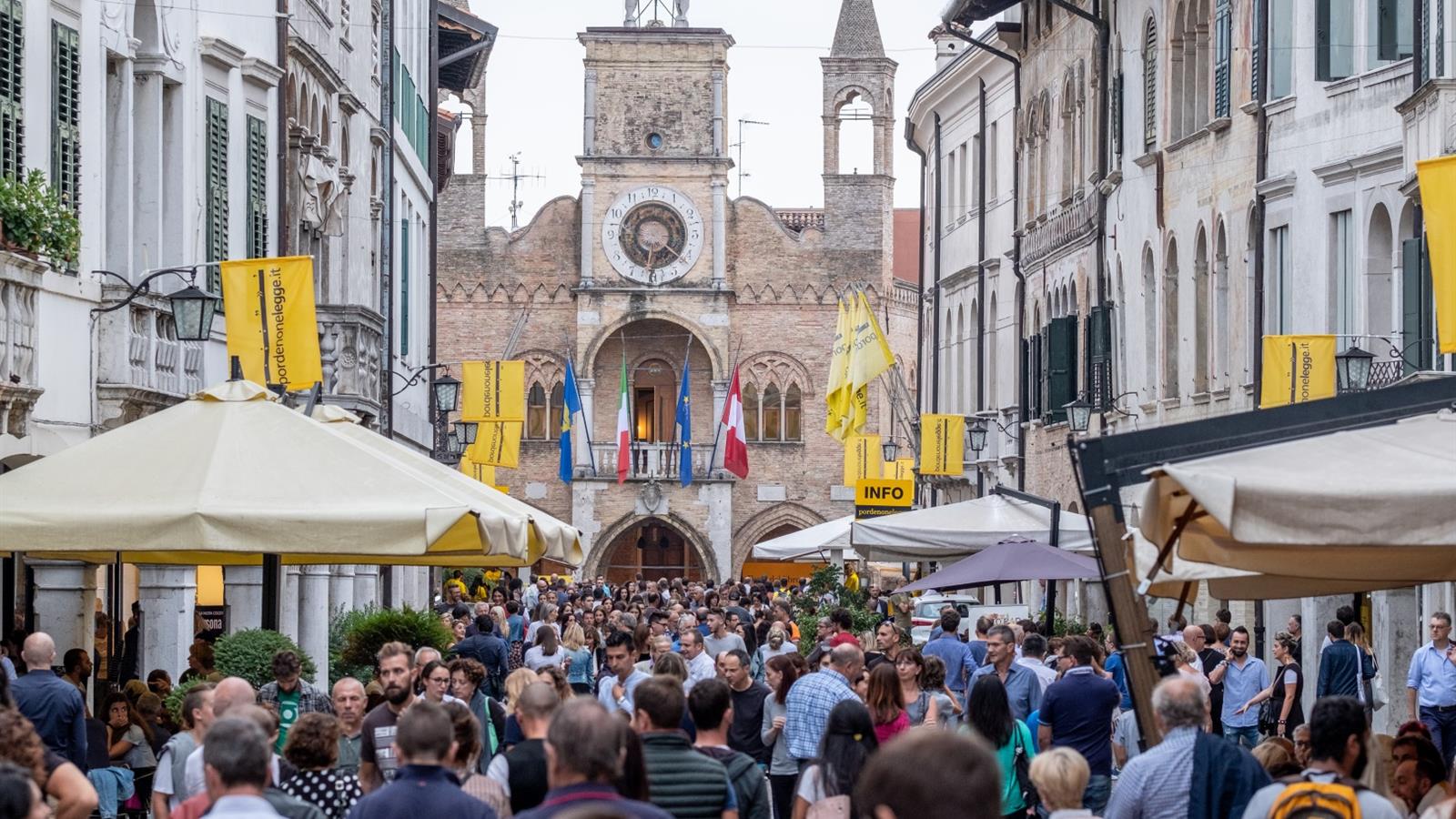
The Friuli Venezia Giulia regional government has outlined a 2026 economic plan allocating €202.5 million to support the manufacturing, tourism, and commerce sectors, with a substantial share directed toward Pordenone’s year as Italy’s Capital of Culture in 2027.
The announcement was made Tuesday during a Regional Council session by Sergio Emidio Bini, the regional councillor for Productive Activities and Tourism, as part of the debate on the 2026–28 budget framework.
According to Bini, nearly €13 million has been earmarked to develop a regional cultural program linked to Pordenone’s upcoming title, following the model of GO!2025, the cross-border European Capital of Culture initiative shared by Gorizia and Nova Gorica. The funding is intended to support events and initiatives distributed across Friuli Venezia Giulia, strengthening the region’s cultural draw.
The broader budget reflects what Bini described as a two-pronged strategy: reinforcing the region’s manufacturing base through the Agenda FVG Manifattura 2030, and consolidating the tourism and commercial sectors through the regional Code of Commerce and Tourism. The agenda’s second year will receive €85 million from regional sources and European funds dedicated to industrial growth, internationalization, energy transition, digital development, and investment attraction. Tourism and commerce initiatives will receive a total of €86.5 million.
Bini noted that, beginning next year, the region will introduce a new research center intended to improve long-term economic planning. Among the measures aimed at strengthening the manufacturing ecosystem are €3.5 million to support business networks, managerial development for small and medium-sized enterprises, and entrepreneurship initiatives for business owners under 40.
On the internationalization front, €2.5 million will be allocated to extend funding to additional companies seeking to expand or consolidate their presence in foreign markets.
The region will also invest €15 million in energy transition projects, including a new €10 million photovoltaic program launching in early 2026 to help businesses reduce energy costs through renewable energy production. Additional funds target the redevelopment of abandoned industrial sites and circular-economy initiatives supported through European funding channels.
Innovation projects will receive €34.4 million, funding industrial research, the industrialization of research results, process and organizational innovation, and support for artisan enterprises. An additional €2 million will go toward businesses in the wood and forestry supply chain.
To attract new private investment, €8 million has been designated for incentives aimed at companies locating within local economic development consortia. Another €21.6 million will support improved access to credit, including machinery purchases, subsidized financing, and revolving funds.
Regional development consortia will receive €13 million for urbanization works, infrastructure improvements, and the redevelopment of the former Coccau Autoport site within the Cosilt consortium.
The 2026 allocation for tourism and commerce—€86.5 million total—marks a €21 million increase from earlier projections. The funds will support hospitality infrastructure, refurbishment of tourist lodgings, “alberghi diffusi” (scattered hotels), public tourism infrastructure projects, business networks, tourism vouchers, cycling and slow-tourism initiatives, commercial district programs, and small-business support.
The region will also fund the implementation of its nautical law with €2.1 million and allocate €3.8 million to promote Friuli Venezia Giulia through film and audiovisual productions.