





















by Nina Vaclavikova
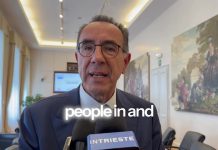
Interviews: Lucio Sale – director of Human Resources and real estate of Fincantieri, Alessia Rosolen – councilor for Labor, Education, Training and University
Fincantieri and the Friuli Venezia Giulia regional government are launching a workplace training and employment program in Trieste aimed at young people with intellectual disabilities and autism, expanding a model designed to help participants develop skills and gain experience in a corporate setting.
The new edition of Project Search will involve 10 young people, ages 18 to 25, at Fincantieri facilities in Trieste, including the company’s corporate offices and its merchant ship division. The program is scheduled to begin its internship phase in 2027.
The initiative combines workplace training, daily support and practical experience through three internship rotations lasting about 10 weeks each, allowing participants to work in different departments and roles. The goal is to develop both professional and interpersonal skills that can help participants secure employment, either at Fincantieri or at other companies.
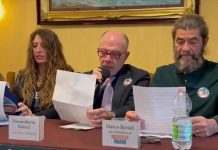
Regional Labor Councilor Alessia Rosolen announced the partnership during a presentation organized by the regional government and Fincantieri, represented by Luciano Sale, the company’s director of human resources and real estate.
Rosolen said the initiative reflects a broader effort to move beyond legal requirements for employing people with disabilities and to develop tailored pathways that allow workers to contribute to businesses and communities.
Employment for people with disabilities in the region has increased in recent years, she said, citing 1,181 hires in 2025, compared with 1,052 in 2023. Agreements under Article 14 of Italy’s employment legislation, which facilitate the hiring of people with disabilities through partnerships involving companies and social cooperatives, have also expanded, with the number of agreements increasing 47 percent between 2024 and 2026.
The Search program, which originated in the United States, was first introduced in Italy in the Pordenone area in 2023. After two previous editions there, the initiative is now being extended to Trieste through a partnership involving the regional government, Fincantieri, the Giuliano Isontina University Health Authority, nonprofit organizations and employment-support services.
The regional government will contribute €101,000 from its fund for employment of people with disabilities, covering half of the project’s costs. The initiative also involves the ASUGI employment integration service, the association Oltre Quella Sedia and Project Search Italia.
Sale said the program was intended to translate inclusion into concrete employment opportunities, helping participants develop skills and identify their professional potential through experience in a real workplace.
He said collaboration among businesses, institutions, healthcare services and nonprofit organizations was essential to building lasting employment pathways, with the goal of creating opportunities both within Fincantieri and elsewhere in the regional economy.
Rosolen also said the regional government was planning additional measures to support young people transitioning from school and training programs into employment, including provisions expected in the next regional budget.