



















by Nina Vaclavikova
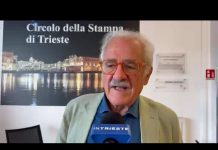
Interviews: Serena Tonel — Deputy Mayor of Trieste; Gian Paolo Dolso — Director of the Department of Legal, Language, Interpreting and Translation Studies (IUSLIT) at the University of Trieste.
The University of Trieste hosted a conference on Monday examining how European Union policies, funding and regulations shape local government, with a focus on public communication, digital transformation and democratic participation.
The event, titled “Local Authorities and the European Union: Opportunities, Challenges and Prospects for Territorial Administrations,” was organized by the Municipality of Trieste’s EUROPE DIRECT and Eurodesk services in collaboration with the university’s Department of Legal, Language, Interpreting and Translation Studies.
Academics and public officials discussed how municipalities have evolved from recipients of European regulations into active participants in implementing EU policies and managing funded projects.
Presentations addressed the effects of European integration on local authorities, relations between the EU and cities, the opportunities and challenges of cohesion funding, and the use of artificial intelligence in municipal administration.
A panel discussion explored how public institutions can strengthen citizens’ trust in the European Union through reliable information, public engagement and digital communication.
Trieste Deputy Mayor Serena Tonel said European funding had helped the city pursue urban renewal and cross-border cooperation. She cited the Fenice project in Servola, supported by EU funding for 2021-2027, as well as plans for cooperation between Italian and Slovenian municipalities through the proposed Kras-Carso European Grouping of Territorial Cooperation.
Tonel also highlighted the importance of European exchange programs, including Erasmus, in fostering a shared European identity among young people.
Gian Paolo Dolso, director of the university department involved in organizing the conference, said decisions made at the European level increasingly affected municipal responsibilities, including the management of public resources, policy implementation and digital transformation.
The conference brought together university researchers, municipal administrators, legal professionals and journalists. It was accredited by the Trieste Bar Association for five professional training credits, including one in legal ethics.
Organizers said the initiative aimed to strengthen cooperation between academic institutions and local administrations while improving public understanding of European policies and opportunities.