

















by InTrieste
Italy will mark Festa della Liberazione, or Liberation Day, on Saturday, April 25, by opening state museums and archaeological parks across the country free of charge, the Ministry of Culture announced.
A national public holiday, Liberation Day commemorates the end of Benito Mussolini’s Fascist regime and the Nazi occupation during World War II, as well as the victory of the Italian Resistance movement, whose partisans fought against fascism and helped restore democracy.
The annual observance, one of the most significant dates in Italy’s civic calendar, combines official ceremonies with cultural initiatives, including free access to museums, monuments, and archaeological sites managed by the state.
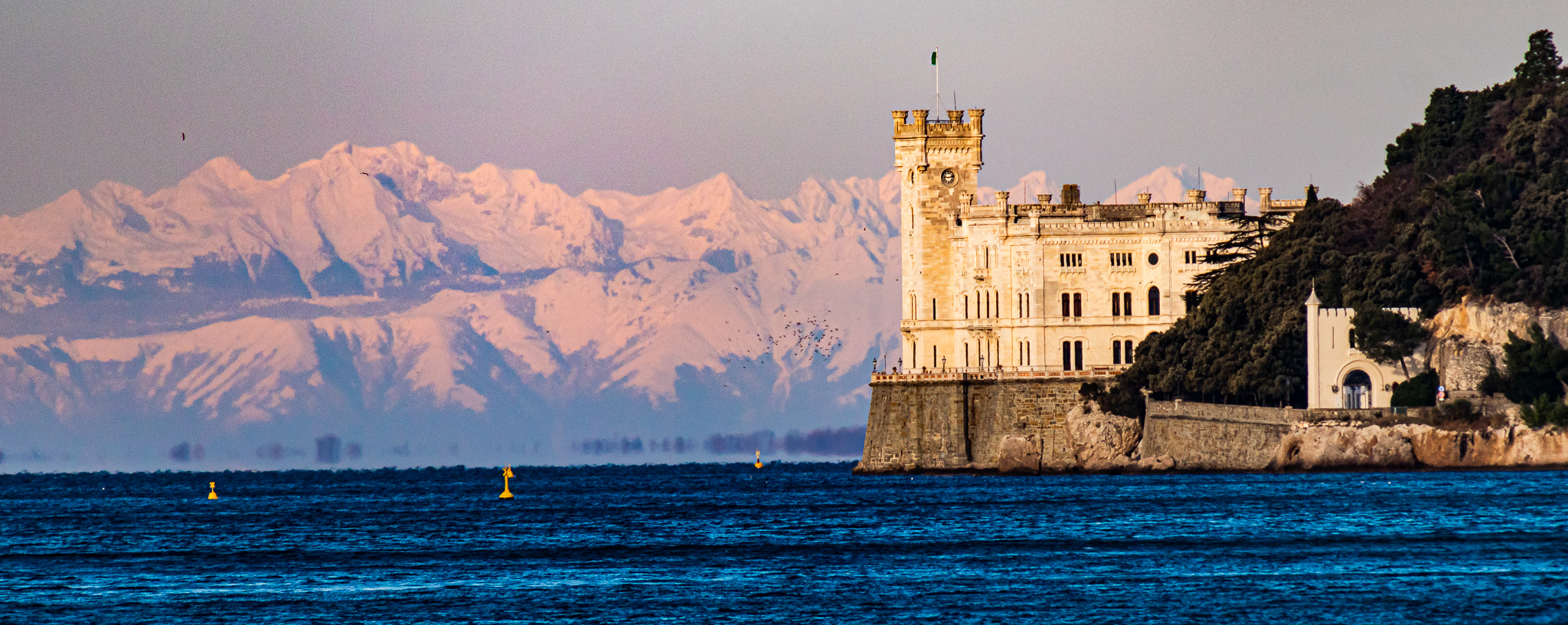
In Friuli Venezia Giulia, visitors will be able to explore several notable state-run institutions without an entrance fee. Among them is the Museo Storico e il Parco del Castello di Miramare, the historic seaside residence overlooking the Gulf of Trieste that remains one of the region’s most visited landmarks.
The broader museum network also includes the Museo Archeologico Nazionale di Aquileia, home to one of Italy’s most important collections of Roman antiquities; the Museo Paleocristiano, dedicated to early Christian heritage; and the Cripta degli Scavi, an underground archaeological site revealing layers of ancient settlement.
Also part of the Miramare complex is BioMa, the Biodiversitario Marino, an immersive museum located within the Miramare Marine Protected Area that focuses on marine biodiversity and environmental education.
The Ministry of Culture said the initiative aims to encourage both residents and visitors to engage with Italy’s historical and artistic heritage while reflecting on the significance of April 25 in the nation’s modern history.
Liberation Day was officially established as a national holiday in 1946, one year after Italy’s liberation from Nazi occupation and the collapse of fascist rule. Each year, ceremonies are held nationwide, with the most prominent taking place in Rome at the Altare della Patria, where national leaders pay tribute to the fallen.
For many Italians, the holiday serves not only as a remembrance of the past but also as a reaffirmation of the democratic values that emerged from the country’s postwar reconstruction.