

















by InTrieste
As the summer season approaches, regional maritime transport in Friuli Venezia Giulia is set to resume on April 25, marking the return of a service that has become an increasingly important part of local mobility for residents, commuters and tourists alike.
Regional officials describe the network not simply as a seasonal attraction, but as a structural component of transportation in the northeastern Italian region, offering an alternative to road travel while connecting coastal and lagoon communities.
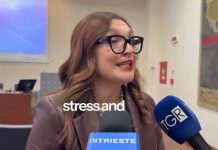
“This is no longer just a ტურistic option,” said Cristina Amirante, the regional councillor for infrastructure and territory. “It is an integrated system that supports everyday mobility and provides a more sustainable way to move across the region.”
This year’s service has been expanded along the coast near Trieste and across lagoon areas, linking key destinations including Grado and Lignano Sabbiadoro, with intermediate stops in Sistiana, Duino, Monfalcone and Marano Lagunare.
Two primary routes will anchor the network from the outset: a coastal line running between Trieste, Barcola, Grignano and Sistiana, and a longer corridor connecting Trieste with Grado and Lignano Sabbiadoro. These routes are expected to operate throughout the season, which extends into the fall. Additional lagoon and coastal services will be introduced gradually in the coming months, completing the regional system.
Officials say the 2026 season begins with a more stable and efficient operational framework, following efforts to address logistical and management issues that had affected service in previous years.
Amirante credited regional transport authorities and staff with improving planning and coordination, resulting in what she described as a more reliable and responsive system.
The updated service will also include more flexible options for passengers, such as on-demand stops at Porto Vivo and Cedas, and improved integration with local public transportation networks. These changes are intended to make the coastline more accessible while encouraging a shift toward multimodal travel.
Regional leaders expressed cautious optimism about the season ahead, pointing to stronger infrastructure and growing demand. The broader goal, Amirante said, is to continue developing sustainable mobility while enhancing access to the region’s coastal destinations.
“We are starting a season that looks promising,” she said, “with more efficient services and a clear direction: to strengthen sustainable mobility, promote our territory and offer a better travel experience for both residents and visitors.”




Just to comment, based on previous articles and comments they wrote there would be no price increase. Now they killed the 50 corse ticket for residents to Barcola and with that increased the price for 50 corses with 140%. From 25,60 euros last year to 64 euros now. Not very much in line with what was communicated.