




















by InTrieste
A seasonal river crossing at the mouth of the Tagliamento will return this spring with expanded service, as local authorities in Northern Italy continue to invest in low-impact tourism and cycling infrastructure.
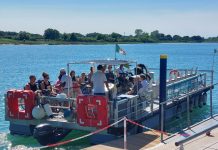
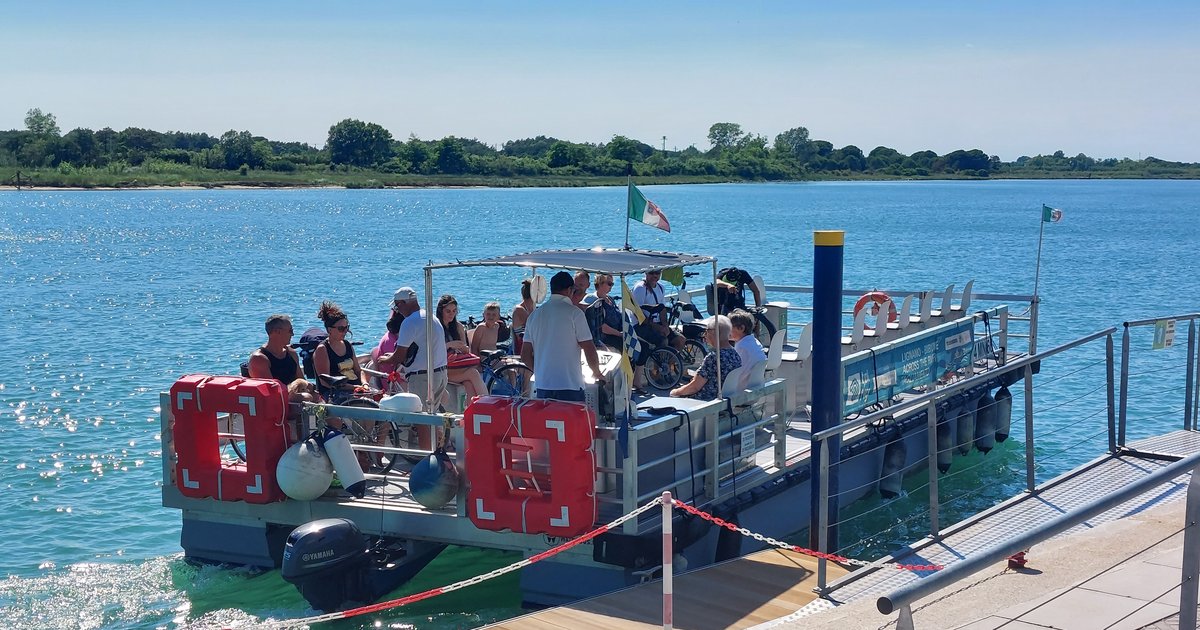
The ferry, known as Passo Barca (XRiver), connects the seaside towns of Lignano Sabbiadoro and Bibione, crossing the Tagliamento River near its estuary. Operated in collaboration between the regions of Friuli Venezia Giulia and Veneto, the service allows pedestrians and cyclists to travel between the two coastal destinations without detouring inland.
First introduced as an experimental project, the crossing has become increasingly popular among cyclists seeking uninterrupted routes along the Adriatic coast. Between April 5 and November 2, 2025, the ferry carried approximately 115,000 passengers and 98,000 bicycles, according to regional data.
Encouraged by those figures, officials have extended the 2026 season, with service now scheduled to begin on March 28—earlier than in previous years—and run through November 1. Departures will also be more frequent, increasing from every 40 minutes to every 30 minutes, a change intended to reduce wait times and accommodate higher demand during peak periods.
The crossing forms part of a broader effort to link regional and interregional cycling networks, including routes under development on both sides of the river. By eliminating a natural barrier at the Tagliamento, the service offers a more continuous experience for cyclists while drawing attention to the river’s fragile ecosystem and surrounding natural areas.
Fares will remain unchanged from last year: one euro per passenger, including a bicycle, with children under 10 traveling free. The total cost of operating the service in 2026 is projected at €235,200, including tax.
Regional officials describe the project as a model of integrated transport and tourism, designed to encourage slower, more sustainable travel along one of Italy’s busiest summer coastlines.