
























by InTrieste
Regional authorities in Friuli Venezia Giulia are preparing contingency plans ahead of a month long rail shutdown in late summer 2026 that is expected to disrupt both freight and passenger traffic along one of the region’s most strategic corridors.
The interruption, scheduled from Aug. 22 to Sept. 20, will affect the railway line between Udine and Tarvisio, a key route linking northeastern Italy with Austria and Central Europe. The closure, announced by Rete Ferroviaria Italiana, the state-owned rail infrastructure manager, is necessary to carry out major infrastructure upgrades.
At a meeting held Monday at the intermodal terminal in Pordenone, the regional councillor for infrastructure and territory, Cristina Amirante, met with railway operators, port authorities, interports and business representatives to assess the potential fallout and coordinate alternative solutions.
“The planned interruption requires preventive and shared management of its impact, particularly on freight traffic,” Ms. Amirante said. “For cargo, the alternative must necessarily be identified along the Brenner axis.”
The principal diversion route will run through the Brenner Pass, one of Europe’s busiest Alpine crossings. Regional officials said that up to 150 freight trains per week — roughly half of Friuli Venezia Giulia’s current rail cargo volume — are expected to be guaranteed access along that corridor during the suspension. Railway operators and logistics companies have been asked to identify priority shipments to secure alternative train paths.
The stakes are high for Friuli Venezia Giulia’s export-oriented economy. The region’s logistics network is closely tied to its ports and interports, with rail serving as a crucial artery for goods moving to and from Central and Eastern Europe.
Officials say the goal is to finalize plans well in advance, giving companies time to reorganize supply chains and limit economic repercussions. A regional steering committee on transport and logistics is expected to convene shortly to refine the strategy and formulate proposals to present to Rete Ferroviaria Italiana, particularly in view of additional rail interruptions anticipated in 2027 and 2028.
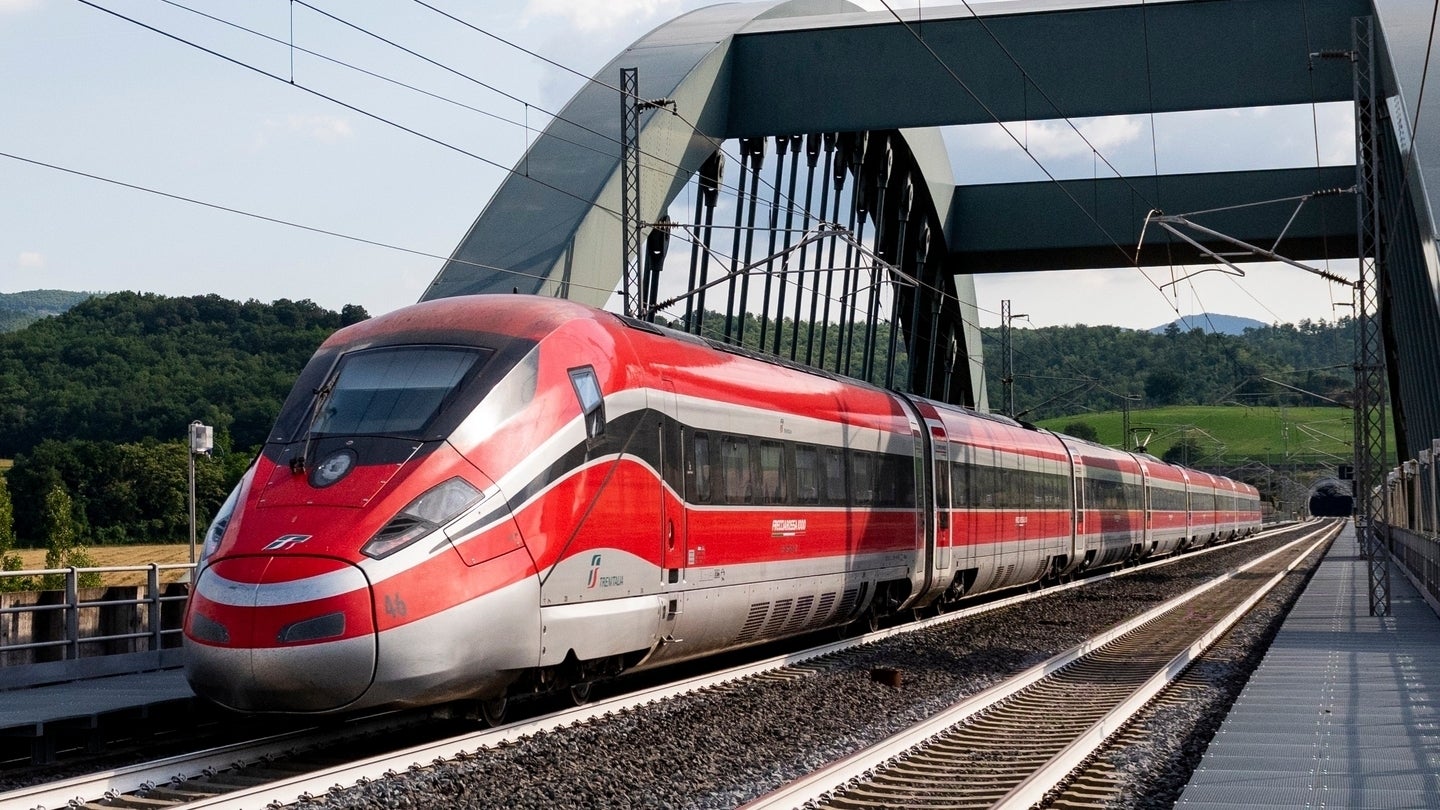
Passenger services will also be affected. In the coming weeks, the region plans to open talks with Trenitalia to define replacement measures during the works. Among the options under consideration are substitute bus services operating for the entire duration of the shutdown to ensure continuity of mobility for residents and commuters.
For a region whose geography makes rail connections both economically and symbolically vital, the late-summer closure represents a logistical test — and an early rehearsal for further infrastructure upgrades still to come.