

















by InTrieste
Roberto Vannacci, a former Italian army general and one of the most polarizing figures on the country’s right, has formally left the Lega party, a move that has deepened internal divisions and drawn sharp criticism from senior party figures, including the governor of Friuli Venezia Giulia.
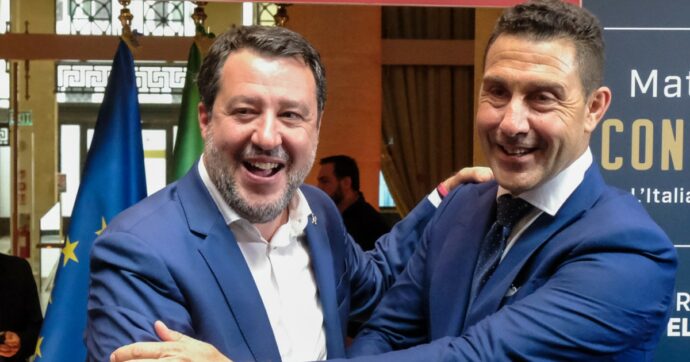
The decision was confirmed on February 3 during a meeting of the Lega’s Federal Council, ending weeks of speculation and months of rising tension between Mr. Vannacci and the party leadership. His departure closes a chapter that began with his appointment as deputy secretary under Matteo Salvini, the Lega’s leader.
Mr. Vannacci has already taken steps toward an independent political path, registering the name and symbol of a new movement, Futuro Nazionale. Until recently, however, he had publicly denied that he intended to leave the Lega, even as his actions suggested an increasingly strained relationship with the party.
On February 4, Massimiliano Fedriga, the governor of Friuli Venezia Giulia and a prominent figure within the Lega, publicly criticized Mr. Vannacci’s decision, framing it as a breach of trust with voters rather than a routine internal dispute. Speaking to reporters, Mr. Fedriga said that elected officials who campaign under a party’s banner and later abandon it for political convenience risk undermining democratic accountability.
“Anyone who thinks of using voters like a taxi—rather than a political party—and then getting off when it suits them is being demeaning to everyone,” Mr. Fedriga said.
While acknowledging that politicians are entitled to change their views, Mr. Fedriga argued that such shifts should come with consequences. In his view, officials who leave the political platform on which they were elected should also relinquish the offices obtained through that mandate. “Not out of respect for the League,” he said, “but out of respect for Italian citizens and voters.”
Mr. Fedriga added that the issue had been discussed during a federal meeting of the party held the previous day, where he said he had expressed his position directly. “Here, it is clear that someone has been betrayed and someone has betrayed,” he said, adding that his support lay with party members who remained loyal rather than those who chose to leave.
Asked whether Mr. Salvini bore responsibility for the situation, Mr. Fedriga said that no such accountability was under consideration, though he did not rule out further discussions with the party leader.
The episode highlights broader tensions within Italy’s right wing, where debates over leadership, loyalty and political identity continue to shape alliances. While the Lega has sought to consolidate its role as a governing party, figures like Mr. Vannacci have appealed to a more confrontational and anti-establishment electorate.
It remains unclear whether Futuro Nazionale will evolve into a formal political party or an electoral list, or how much support Mr. Vannacci will be able to mobilize beyond his existing base. But his exit has already exposed fault lines within the Lega and raised questions about party cohesion ahead of future electoral contests.