









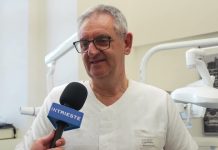
















by InTrieste
The regional government of Friuli Venezia Giulia has introduced emergency legislation aimed at easing a growing shortage of family doctors, a problem officials say reflects a wider national crisis in Italy’s primary health care system.
The proposal, presented Tuesday to the Regional Council’s Third Commission, would allow local health authorities to temporarily rehire retired general practitioners on freelance contracts through December 31, 2026. The measure is intended to ensure continuity of care and maintain basic health services, particularly in underserved areas.
Riccardo Riccardi, the region’s councillor for health, told lawmakers that the lack of general practitioners is no longer a localized issue. “This is a structural problem affecting the entire country,” he said, warning that delays in addressing it could undermine citizens’ access to essential medical care.
Under the draft law, health agencies within the regional public health system would be authorized to assign short-term, self-employed contracts to doctors who have already retired. The measure is described as extraordinary and temporary, designed to stabilize services while longer-term solutions are pursued.
Regional officials say the initiative aligns with national efforts under Italy’s annual “Milleproroghe” decree, which is expected to extend similar provisions at the state level. That decree currently allows retired doctors to return to work without penalties to their pensions, a provision that expires at the end of 2025.
Mr. Riccardi said the region is urging the national government to extend those rules through 2026 and to maintain favorable tax and pension conditions, which he described as essential incentives for attracting retired physicians back into practice.
“The national framework is crucial,” he said, noting that fiscal and pension regulations fall outside regional authority. “Removing restrictions on combining professional income with retirement benefits makes these positions significantly more attractive.”
The legislation also builds on measures already introduced in the region, including the creation of primary care clinics designed to operate in areas where family doctors are no longer available.
If approved, the law would take effect immediately, offering regional health authorities an additional tool to manage what officials describe as one of the most pressing challenges facing Italy’s public health system.