
























by InTrieste
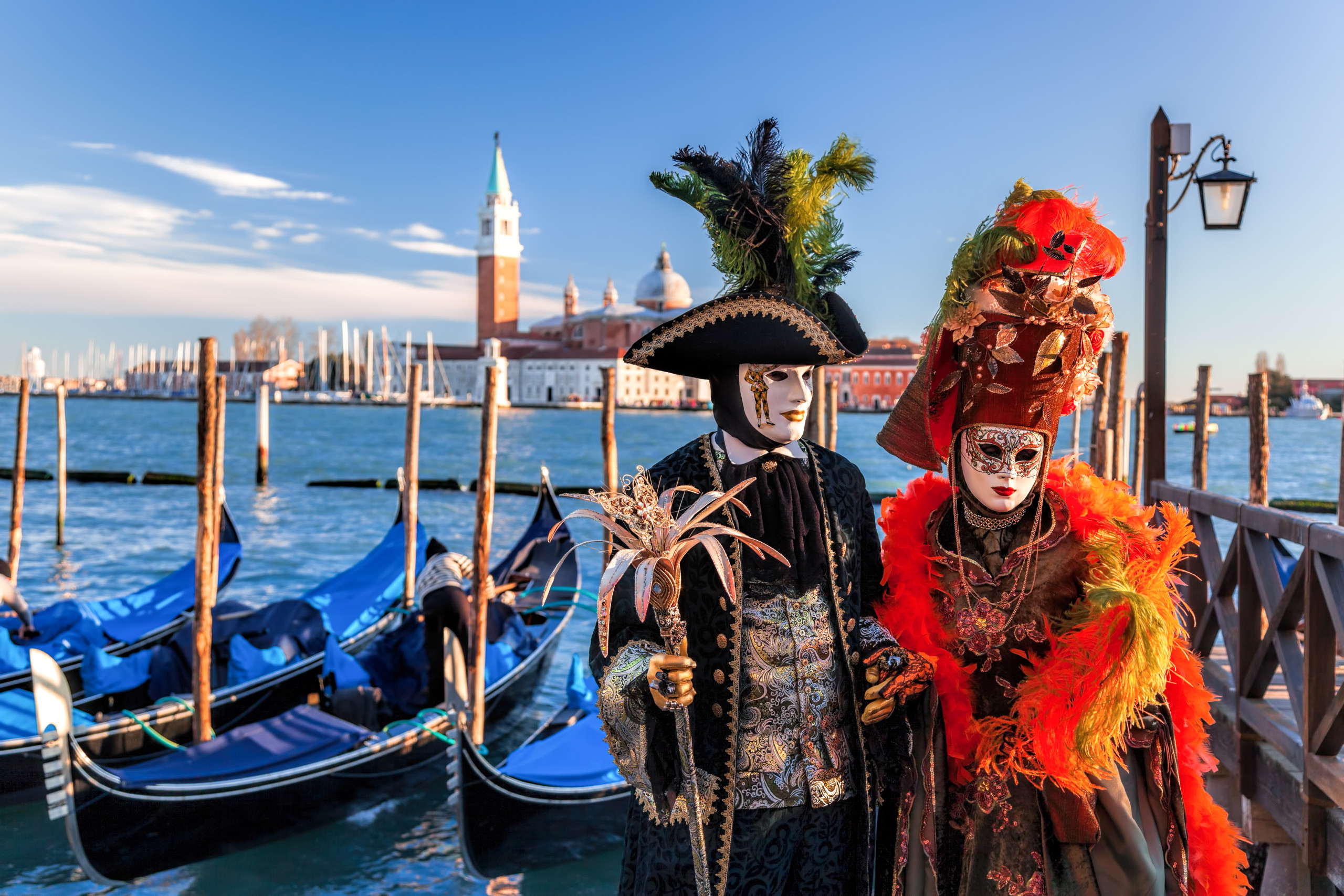
Venice will return to one of its most enduring traditions early next year, when the city hosts 18 days of Carnevale celebrations from Jan. 31 through Feb. 17, 2026, filling its canals, bridges and squares with pageantry, performances and masked revelry.
The theme of the 2026 edition, Olympus – The Origins of the Game, is intended as a cultural bridge to the Winter Olympic Games that will take place in Milan and Cortina d’Ampezzo later in the year. Organizers say the theme draws on classical mythology and the ideal of balance between body and mind, while also recalling Venice’s own history as a place of spectacle and public competition long before the modern Olympic movement took shape.
In a statement announcing the program, Venice’s mayor, Luigi Brugnaro, said the city wanted to “pay homage to the Olympic spirit that will animate our country in 2026,” while also remembering how, in the streets and squares of the Serenissima, forms of entertainment and competition emerged that “still excite us today.”
As in previous years, the Carnevale calendar will combine traditional rituals with large-scale public events. A series of water processions, allegorical floats, masked balls and evening parades is planned across the historic center. One of the central venues will be the Darsena Grande at the Arsenale, where an open-air theatrical production, Echoes of Olympia, will be staged on selected nights, blending performance, music and spectacle against the backdrop of the former shipyards.
The Grand Canal will once again be the setting for one of Carnival’s most anticipated moments. On Feb. 1, masked rowers are scheduled to lead a flotilla of brightly decorated boats in a procession through the city’s main waterway, a contemporary echo of the aquatic pageants that have long been part of Venice’s festive identity.
Another signature event, the Festa delle Marie, will culminate on Feb. 22 in St. Mark’s Square, when one of the twelve young women chosen to represent the traditional “Marias” is crowned. The pageant, which blends folklore, costume and civic ritual, has become a fixture of the modern Carnival, even though its roots stretch back to medieval Venice.
A Carnival With Deep Roots
Carnevale di Venezia is generally traced to the 14th century, though many historians believe its origins are even earlier. Over the centuries, the festival was periodically banned or restricted under different regimes, particularly during times when masks and public gatherings were seen as politically or socially dangerous. Its revival in the 20th century helped transform it into the internationally recognized event it is today, drawing visitors from around the world.
Carnival traditionally ends on the day before Ash Wednesday, which marks the beginning of Lent, a period of fasting and reflection in the Christian calendar leading up to Easter. In Venice, that transition is signaled by the close of weeks of celebration, costume and theatrical display.
Travelers planning to attend can find the full schedule of events, performances and ticketed attractions on the official Carnevale di Venezia website at https://carnevale.venezia.it, where updates to the 2026 program will be posted as the season approaches.