

























by InTrieste
Just days before the opening ceremony of the Milano-Cortina 2026 Winter Olympics, Italian sports officials are confronting their first doping case linked to the Games. Biathlete Rebecca Passler, 24, one of five women named to Italy’s Olympic team, has tested positive for a banned substance, leading to her suspension and exclusion from competition.
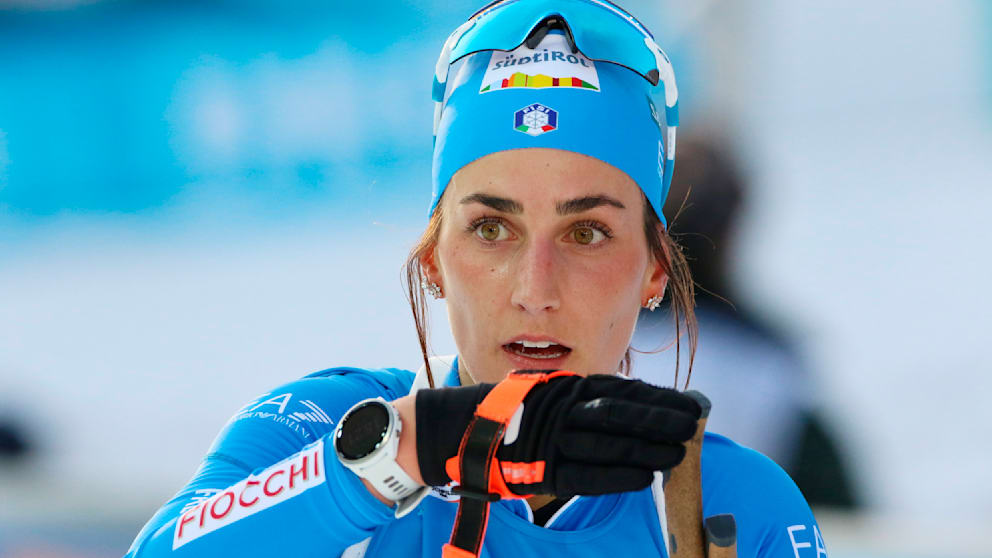
The positive result came from a routine out-of-competition test conducted shortly before the Games. Analyses indicated the presence of letrozole, an aromatase inhibitor commonly used in medical treatments such as breast cancer therapy but prohibited in elite sport because it can alter hormone levels and potentially mask other performance-enhancing substances.
Passler is the first athlete to fail an anti-doping check connected to these Winter Olympics. The Italian National Olympic Committee (CONI) confirmed her provisional suspension and removal from the team. Officials said a replacement could be considered, with teammates such as Samuela Comola and Linda Zingerle mentioned as possible successors in the biathlon squad.
The timing of the case is particularly sensitive for a nation hosting the Olympics on home soil. Giovanni Malagò, president of the Milano-Cortina 2026 Foundation, described the situation as regrettable and emphasized the importance of a thorough investigation and transparency. “The positivity was detected in a pre-Games control and must be fully understood before any conclusions are drawn,” he said.
Passler, from Anterselva in Alto Adige, comes from a family with a strong biathlon tradition. She is the niece of Johann Passler, a former Olympic medalist, and has achieved notable success in junior and youth competitions, earning spots on World Cup lineups in recent seasons. Several biathlon events of the Games are scheduled in her hometown region.
Letrozole has appeared in previous high-profile sports doping cases, including that of Italian tennis player Sara Errani, who argued that contamination led to her positive test. In Passler’s case, the circumstances are still under review by NADO Italia and other relevant anti-doping authorities.
The development has prompted immediate reactions within Italy and among international observers. Some view the case as a reminder of the strict and uncompromising nature of anti-doping regulations, particularly during the Olympics. Others caution about the potential reputational impact on the host nation’s sport and stress the need for due process as Passler’s team seeks clarification.
Passler’s absence also requires adjustments for the Italian biathlon team, where she had been expected to contribute to relay and individual events. Her exclusion not only affects her Olympic ambitions but also alters the composition and strategy of Italy’s squad in a discipline where national expectations are high.
As the Games approach, the case underscores that moments of national celebration can intersect with broader pressures and controversies in elite sport, highlighting the ongoing challenge of maintaining clean competition at the highest level.