























by MK
Italy’s overhaul of its medical-school admissions system — replacing the traditional national test with the new “semestre filtro” — is already showing signs of strain. The first round of exams, held nationwide in November, produced unexpectedly low pass rates in several northern universities, prompting anxiety among students and criticism from unions.
As the second exam approaches on December 10, universities are preparing for two opposite risks: too few students meeting the required threshold, or an overwhelming surge of appeals that could force institutions to admit more candidates than they can train.
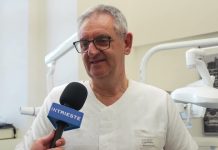
Roberto Di Lenarda, Full Professor of Odontostomatological Diseases at the University of Trieste and former Rector, says both outcomes would be harmful.
“The first problem is that too few students may reach the right level in the second exam,” he explains. “The opposite problem is that many who fail may appeal, and we could end up with too many students enrolled. We don’t have enough rooms or hospital beds to train them properly.”
He stresses that maintaining balance is crucial for the quality of medical education:
“For fifty years in Trieste we have focused on high-level preparation. Our goal is to keep the right number of students so we can train excellent professionals. The quality of medical doctors is the foundation of a strong health system.”
As Italy moves toward the second test, the reform designed to open doors for future doctors now confronts its toughest challenge — ensuring those doors open just the right amount.