




















by EH
Friuli Venezia Giulia regione is working with the national government to develop a system of incentives aimed at stabilizing demand for rail freight transport, as disruptions from infrastructure projects and economic uncertainty weigh on the sector.
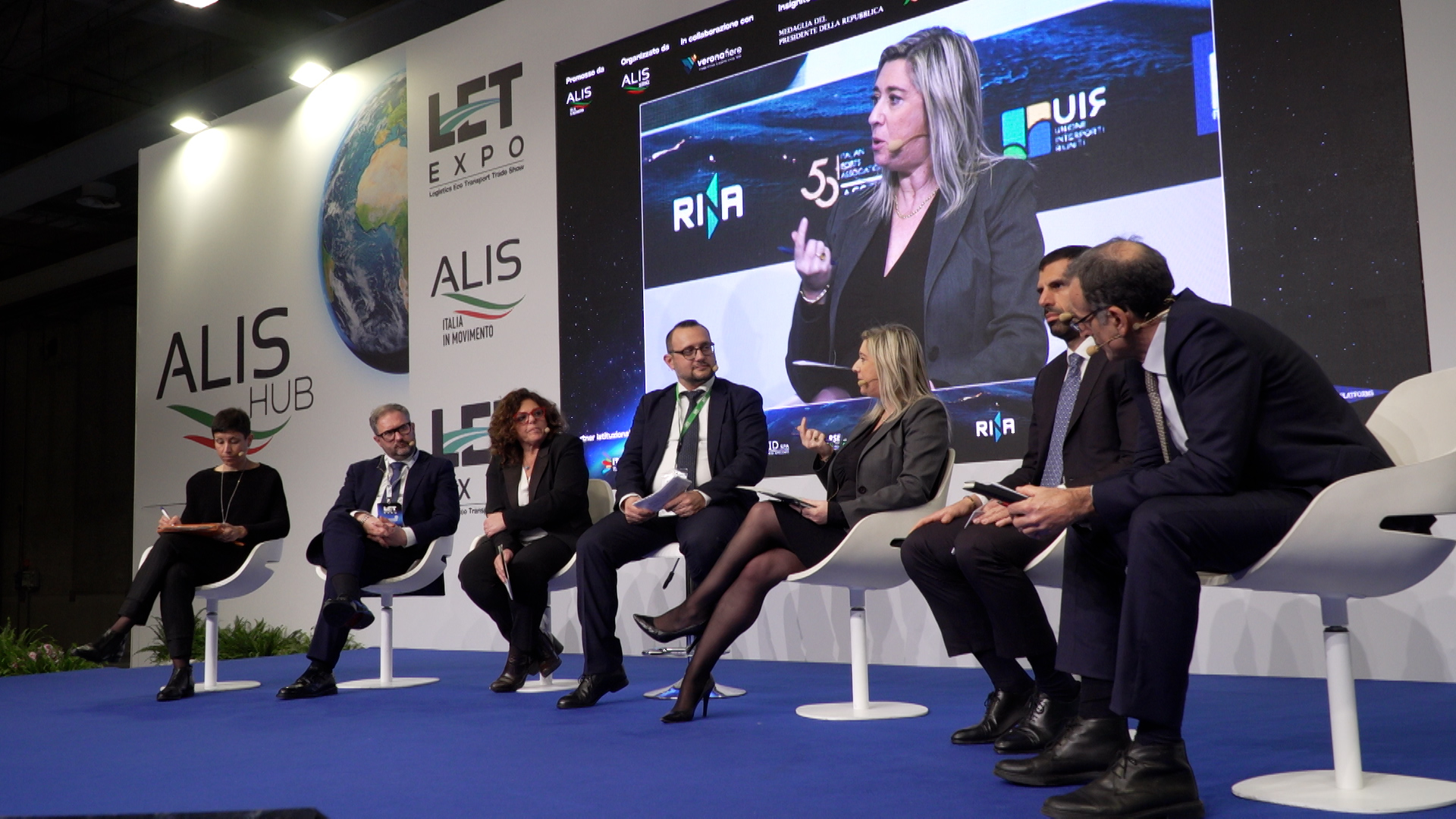
Speaking at the Interventions for Intermodality and Territories seminar at the LET Expo in Verona, Cristina Amirante, Regional Councilor for Infrastructure and Territory, noted a decline in freight rail usage due to construction projects under Italy’s National Recovery and Resilience Plan (PNRR) and broader geopolitical challenges, particularly Germany’s economic slowdown.
“When in 2027 we have a modern railway system capable of handling pre-construction traffic levels, we need to ensure that logistics operators are supported through this transition,” Amirante said.
Friuli Venezia Giulia has positioned itself as a key logistics hub, encompassing the ports of Trieste, Monfalcone, and San Giorgio di Nogaro, along with intermodal transport centers. The region recently established a coordination body to oversee infrastructure investments and incentive policies.
Friuli Venezia Giulia, along with Emilia-Romagna, Trento, and Bolzano, is among the few Italian regions to secure European Commission approval for intermodal transport projects within the Trans-European Transport Network (TEN-T). Unlike other regions, Friuli Venezia Giulia pairs service incentives with infrastructure funding, aiming to integrate its logistics network under a unified strategy.
The Italian government is also exploring national incentives, including the Ferro Bonus, which supports rail freight over road transport. New European regulations, set to take effect in 2026, will focus on digitalization and sustainability in freight transport.
“We want to ensure that private logistics operators have a say in shaping policies,” Amirante said, emphasizing the need for a strategic approach to public and private investment in transport infrastructure.
As Italy navigates economic and logistical challenges, Friuli Venezia Giulia’s model could offer a blueprint for maintaining and expanding intermodal transport efficiency across the country.