









by Nina Vaclavikova
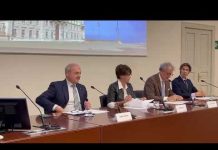
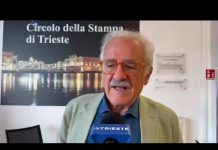
The president of Trieste’s City Council, Francesco Di Paola Panteca, on Monday presented a year-end report on the assembly’s activity in 2025, outlining its legislative output, costs and major policy actions.
The City Council met 31 times, up from 28 in 2024, with sessions lasting an average of 5 hours and 33 minutes. A total of 97 committee meetings were held. The council and its committees were allocated €820,000 for the year and spent €683,146.93, according to figures presented at the press conference.
The council approved 53 resolutions during the year. Among the main measures were changes to regulations governing municipal nurseries and early-childhood services, the installation of electric bus charging infrastructure by Trieste Trasporti, and updated rules for public residential facilities for the elderly, including financial support for residents’ fees.
Other key approvals included a special grant to the Diocese of Trieste for the creation of a new Diocesan Museum and the restoration of frescoes at the Church of the Holy Trinity in Cattinara.
The council also approved the appointment of the municipal Board of Auditors for 2025–2028, the expansion of surface rights for the Via Locchi sports complex, the redevelopment of the Campo Marzio Railway Museum, new rules for street commerce, a shared agreement on mortuary services with neighboring municipalities, and two amendments to the 2025–2027 budget plan.
In addition to regular sessions, the council held two ceremonial sittings to grant honorary citizenship to the Carabinieriand the Friuli Venezia Giulia Army Command, and hosted two concerts, including a Christmas performance.
During 2025, council members submitted 58 motions, 53 formal questions, 79 agenda items, and debated issues including public security initiatives and the annual report of the municipal guarantor for prisoners’ rights.
Panteca said the council maintained regular activity throughout the year despite political disagreements.