















by InTrieste
In Italy, where debates around family, gender roles and demographic decline have grown increasingly pointed, a small documentary is attempting to reframe one of society’s most enduring and polarizing subjects: motherhood.
“Tua Madre,” directed by Leonardo Malaguti, has returned to cinemas with a national tour that invites audiences not only to watch, but to talk. Produced and distributed by EXA, a Naples-based company founded in 2024, the film uses irony and an intimate narrative style to examine how women experience — or consciously refuse — motherhood in contemporary Italy.
On March 2, the documentary will be screened at Cinema Giotto in Trieste, where Mr. Malaguti is scheduled to join the audience via Zoom for a discussion following the 9 p.m. showing. Additional stops on the tour include Genoa, Florenceand Livorno, with post-screening conversations featuring medical professionals, lawyers and activists.
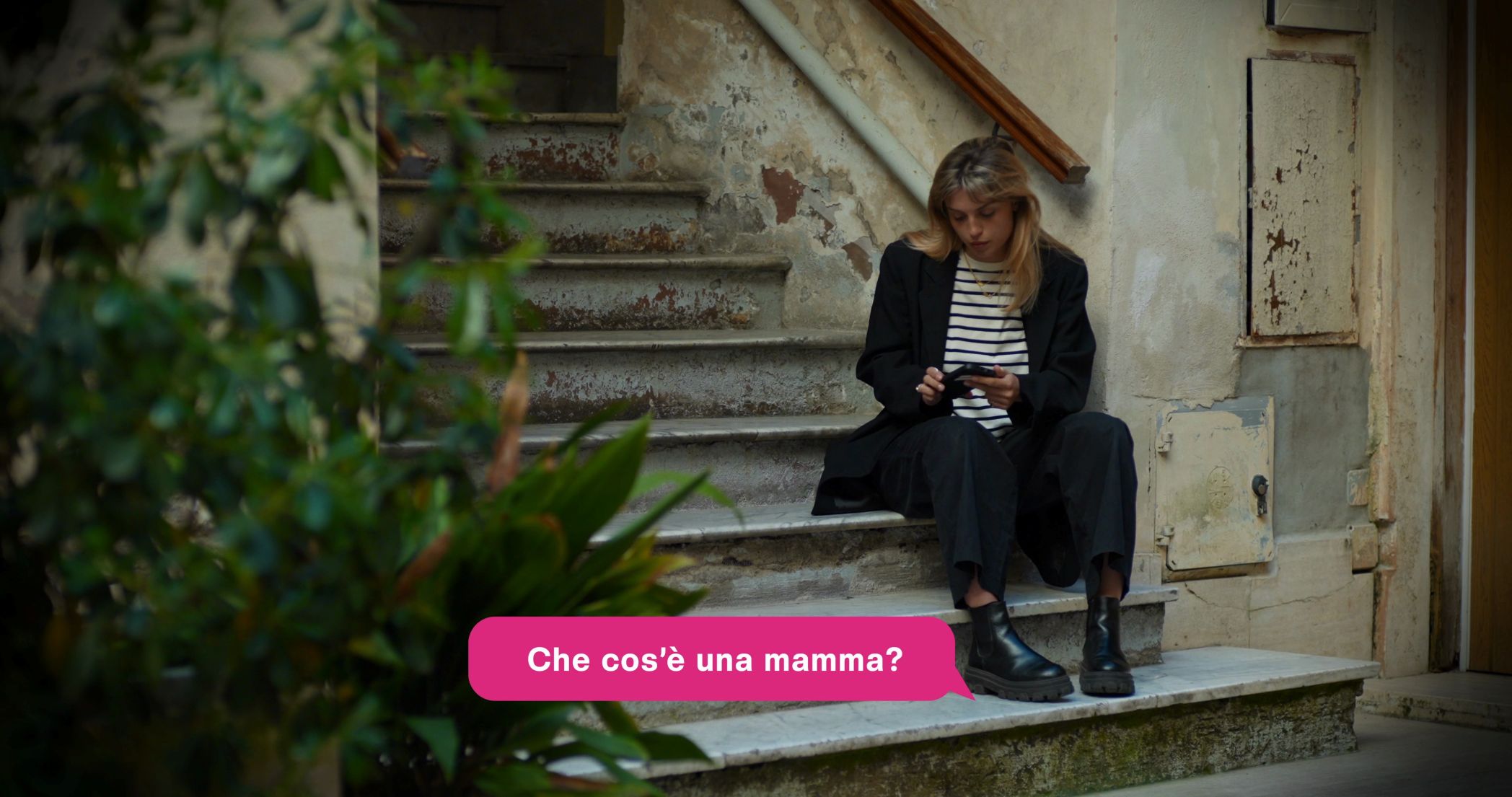
At the center of “Tua Madre” is a deceptively simple question: What is a mother?
The film follows Dania Rendano, who, after discovering she is pregnant, begins a personal inquiry that expands into a broader documentary project. Her initial disorientation becomes the narrative’s catalyst. Through conversations with women of different generations and backgrounds, she explores how motherhood is embraced, negotiated or declined — and how cultural expectations shape those choices.
The documentary also brings in gynecologists, journalists, writers and activists, widening the lens beyond individual testimony. The result is a layered portrait that challenges the idealized and often moralized image of the mother in Italian society.
Italy’s public discourse has long treated motherhood as both a private milestone and a civic duty. Political rhetoric frequently invokes declining birthrates, while popular culture continues to promote the figure of the self-sacrificing mother as a national archetype. In this landscape, “Tua Madre” avoids overt polemic. Instead, it adopts a tone that is observational and at times ironic, probing the distance between lived experience and inherited myth.
“The most beautiful thing,” Mr. Malaguti said in a recent statement, “was realizing how necessary this film and this conversation are — how much there is a need for spaces of listening and care around a topic like motherhood, which touches the personal, the collective, society and the psychology of relationships.”
Throughout the film, Rendano is never presented as an isolated protagonist. The structure underscores a sense of collective inquiry: no single answer defines motherhood, and no single path is framed as normative. The post-screening discussions are designed to extend that approach, positioning the cinema as a forum for dialogue rather than a site of passive viewing.
EXA, the production company behind the project, was founded by Umberto Maria Angrisani and Giovanni Toni, with artistic and production collaboration by Wilma Labate. The company has positioned itself at the intersection of fiction cinema and auteur documentary filmmaking. Alongside “Tua Madre,” it is producing “Sandiego” by Dario Fusco, co-produced with Mompracem and supported by the Campania Film Commission, as well as “Idroscalo” by Giovanni Soldi, currently in development.
“Tua Madre” is directed by Mr. Malaguti and written with Margherita Arioli. In keeping with its modest production scale, the film favors close conversations over sweeping statements. Its power lies less in definitive conclusions than in the act of asking — and allowing multiple answers to coexist.
As the tour moves from city to city, the film’s creators appear to be betting that the question at its heart remains unsettled, and urgently contemporary: not only what a mother is, but who has the authority to decide.